Search Results
505 results for “Cat distemper”

Why Is Your Cat Having Diarrhea and How to Treat It
Before reaching for medicine, rule out simple causes — a dirty water bowl, spoiled food, a chilly room (keep it near 26°C), a too-fast food switch, a grain allergy, or stress. If diarrhea persists despite a cat probiotic, suspect parasites and deworm; if it worsens within a day or two with vomiting, it could be something serious like panleukopenia and needs a vet immediately.

Is a Dog Cold the Same as Distemper?
A dog cold and canine distemper are not the same, even though they look alike — distemper is a highly contagious, often fatal viral disease, while a cold is a mild chill that clears easily. Tell them apart by the pattern (distemper brings a recurring fever and worsening discharge), and with any cold-like signs get a distemper and parvo test, since puppies are especially vulnerable. Prevention rests on vaccination, a draft-free bed, and avoiding stray dogs.

Is Cat Diarrhea a Sign of Illness? How to Treat It
Cat diarrhea isn't always serious, but it can signal gut infection, plant poisoning (lilies are deadly), parasites, or even panleukopenia. Stabilize the gut, keep food consistent, maintain parasite control, and treat any suspected poisoning as an emergency.
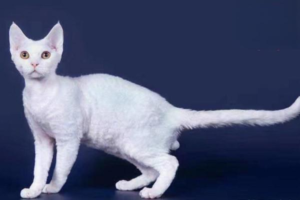
Cold Symptoms and Fever in Sphynx (Hairless) Cats
Sphynx (hairless) cats lack a fur coat and lose heat far more easily, so they catch colds more readily than other breeds. Mild cases with a low fever under 39.5°C can often recover at home with warmth and supportive care, but a cat that won't eat, grows weak, or fails to improve needs prompt veterinary attention.

How to Recognize the Symptoms of a Cat Cold
A cat cold brings red, weeping eyes, nasal congestion, drooling, sneezing, and fever up to 40°C — signs that overlap with feline rhinotracheitis and distemper. Mild cases improve with warmth, good nutrition, and pet-formulated antibiotics, while severe or dehydration cases need a vet.

Distemper vs. a Common Cold in Dogs
A common cold brings lethargy, appetite loss, weepy eyes, cough, and runny nose, while canine distemper adds thick white or yellow eye/nose discharge and nervous signs like seizures. Distemper is fatal in over 50% of adults and up to 80% of puppies, so any unsure or worsening case must reach a vet immediately.

How Long Can a Dog with Distemper Survive?
Untreated distemper kills within about a week; it's a highly fatal, contagious disease with vomiting, appetite loss, and respiratory signs, most curable in the early stage. Once nervous signs appear, the odds drop — so treatment (monoclonal antibodies, interferon, fluids, and antibiotics against secondary infection) must start early.

What Is the Survival Rate for Canine Distemper?
Distemper is deadly — about 80% overall mortality, over 90% in puppies under six months — but vaccination, early treatment, and older age raise the odds. Recovery hinges on age, vaccine status, and how fast care starts, so never give up early.

How to Use a Canine Distemper Test Strip
A canine distemper test strip gives a quick at-home read: collect a swab of eye, nasal, or oral discharge, mix it with buffer, drop 3–4 drops on the cassette, and read the C/T lines after 5–10 minutes. A red T line means infection, and the dog should see a vet immediately — treatment works best in the early stage with antivirals, antibiotics, and supportive care.

Why Your Cat Vomits Yellow Foamy Liquid
When a cat vomits yellow fluid, there is surely a stomach or intestine problem. There are many causes - mild and severe. Generally causes include gastroenteritis, intestinal parasites, viral infection, and nervous system disease and liver-kidney-pancreas problems. For such complex causes, generally judge by the cat's symptoms to know the reason, so as to treat correctly. Today we discuss several causes of cats vomiting yellow fluid.