Search Results
505 results for “Cat distemper”

How to Tell Cat Distemper from Gastroenteritis
Cat distemper (panleukopenia) runs in stages — latent, then falling appetite, then vomiting and diarrhea with dehydration and fever, then a critical phase with watery stool and anemia. The key point: distemper is a viral gastroenteritis, far more dangerous than ordinary gut inflammation.
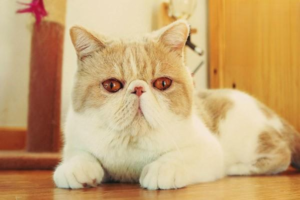
Early Symptoms of Feline Panleukopenia (Cat Distemper)
Many new owners know cat distemper is scary but not its specifics or treatment. Here's an introduction.

Cat Distemper (Feline Panleukopenia): Symptoms and Care
Feline panleukopenia is a deadly, highly contagious virus causing vomiting, diarrhea, and fever. No cure exists — treatment supports the immune system; vaccination is the best defense.

How to Disinfect a Room After Feline Panleukopenia (Cat Distemper)
The panleukopenia virus is very resilient, so use effective disinfectants such as 84 disinfectant, hypochlorous acid, bleach, hydrogen peroxide, or alcohol. Clear trash and debris before disinfecting. Items the cat touched—bed, bowls, toys—need thorough disinfection; discard those that cannot be cleaned. Wipe floors, walls, and furniture, paying attention to under-bed, sofa, and windowsill areas. Keep the room ventilated during disinfection.
How long does it take to disinfect a home after cat distemper?
Cat distemper requires at least six months of ongoing disinfection to be fully cleared. Use a UV disinfectant lamp to sanitize the home 2-3 times a day, and clean toys, beds and other items the cat touched with a gentle pet-safe disinfectant. Hold off on bringing a new cat home for six months to a year, or only do so after the new cat is fully vaccinated.
What are the symptoms of feline panleukopenia (cat distemper)?
Signs include abdominal pain, lethargy, bloody diarrhea, fever and vomiting. The most acute form damages the intestines and lowers white cells, often killing the cat within 24 hours.

Can a Cat Recover from Feline Distemper on Its Own?
Feline distemper (panleukopenia) almost never clears without treatment; only a "false" case, where a vaccinated or robust cat carries the virus without symptoms, can be managed by boosting immunity. The virus is highly contagious, survives in the kidneys for over a year, and causes appetite loss, fever, vomiting, and diarrhea, so veterinary care and strict hygiene are essential.

How Dogs Catch Canine Distemper
Canine distemper takes hold when a dog with low immunity meets the distemper virus — after a 1–2 week incubation, the virus flares and causes diarrhea, coughing, sneezing, and vomiting. Common triggers are cow's-milk diarrhea, spoiled meat, incomplete or failed vaccination, chills, early walks, stress, and skipped deworming. The single best defense is a full vaccine course (the six-in-one core shot) starting around two months of age.

Telling a Cat Cold Apart from Feline Panleukopenia (Distemper)
A simple cat cold brings sneezing, runny nose, and a mild fever that often resolves in a few days. Feline panleukopenia (distemper) is far more dangerous: a high fever of 40–41°C, repeated vomiting of yellow bile, and bloody, foul-smelling diarrhea. Any sudden high fever should be treated as an emergency and checked by a vet immediately.

Feline Distemper in Cats: Symptoms, Causes, Diagnosis and Treatment
Feline distemper, also known as feline panleukopenia, is one of the most common acute infectious diseases in cats clinically. It is a highly contagious, febrile disease caused by parvovirus infection. Kittens have extremely high infection and mortality rates, and affected cats typically show sudden onset, markedly reduced white blood cells, high fever, anorexia, depression, vomiting, hemorrhagic enteritis, and severe dehydration.