Search Results
402 results for “Cat Care, Behavior”

Must-Know Tips for Keeping a Pet Rabbit
Many people adopt a rabbit for its looks but know little about care. Learn what, when, and how to feed (yes, rabbits need water—just not too much, and never wet greens), keep up with check-ups, deworming, and vaccines, and spend time interacting daily so the rabbit stays social and doesn't get depressed.

What to Do When Arthritis Makes a Dog Limp
Arthritis can strike any aging dog and, left untreated, leads to limping and lameness. Manage it with rest and warmth, vet-guided medication and joint supplements, and careful weight and exercise control — and watch for early signs like stiffness and swelling before lameness sets in.

Why Does My Dog Shiver When It’s Not Cold?
For most dogs, shivering means fear or low temperature. Some shake all over, some only part of the body.

What to Do About a Dog’s Fracture
In daily life we often see dogs with abnormal behavior-limping, lying still, or crying in pain-which may be signs of a fracture. If your dog unfortunately breaks a bone, what should you do?

Why Does Your Dog Crawl Under the Sofa?
To us a dog seems thick-skinned - scolded one second, your 'good boy' the next. But a dog's inner world is rich. Let's read it through this common behavior.
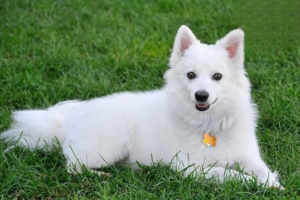
Understanding Why Your Dog Produces Excessive Eye Discharge
When inflammation occurs in a dog's eyeball or around the eye, tears or eye discharge will appear. The dog may blink frequently, lash growth can become abnormal, and dogs whose eyes are irritated will show the same symptoms.

Why a Dog Has Stomach Pain After Eating
After eating, the dog's belly suddenly hurts, stands with pain; if ignored, within hours it may die — note this may need emergency treatment.
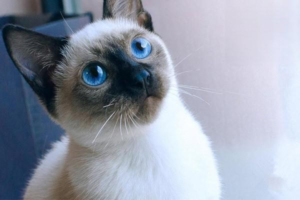
Symptoms and Treatment of Feline Distemper
Feline distemper, also called feline panleukopenia or feline infectious enteritis, is an acute, highly contagious disease in cats. A cat with distemper shows: reduced white blood cells, reduced appetite, soft stool, vomiting, fever, dehydration, and other symptoms.

Feline Lower Urinary Tract Disease (FLUTD): Causes, Signs and Treatment
Feline lower urinary tract syndrome (FLUTD) is divided into obstructive and non-obstructive types. Obstructive means the urethra is fully or partially blocked. Within 2–3 days of complete blockage, urine retained in the bladder flows backward to the kidneys; this back-pressure suppresses glomerular filtration, causing waste and toxins to accumulate in the blood and leading to uremia. If not treated within 3–6 days, the cat can die. The non-obstructive type is milder; with prompt catheterization and proper daily care, it largely resolves on its own within a week.

Patellar Luxation in Small Breed Dogs
Patellar luxation is one of the most common orthopedic issues in dogs, most common in small breeds — especially tiny dogs like Teddy, Pomeranian, and Yorkie, which very easily have congenital or acquired patellar problems. In recent years, medium and large breeds also show a rising trend. Do not underestimate it; severe cases can cause paralysis and disability.