Search Results
402 results for “Cat Care, Behavior”

Why Does Your Cat Become Less Affectionate as It Grows Up?
A cat may grow distant for many reasons — physical and mental changes, a settled environment, weak early socialization, a naturally independent character, or new habits. It doesn't mean the cat likes you less; cats show love differently, like resting quietly by you. Understand its nature, keep giving care, and watch its health.

What Behaviors Show a Cat Is Possessive?
A possessive cat claims you by rubbing its scent on you, sitting on your feet, licking you, deliberately soiling spots you use, and following you to bed. It's a sign of affection, but if it turns extreme, train it and give daily attention so it doesn't develop bad habits.

How to Choose a Cat with a Good Temperament
A good-tempered cat shows in its breed tendencies, social behavior, playfulness with a wand toy, comfort being held, and calm upbringing. Kittens handled by people before about 3 months old usually grow into gentler adults — but temperament can still shift with love and training.

Where Do Cats Like to Give Birth?
Cats seek out hidden, warm, quiet places to give birth so they feel safe and undisturbed. At home, a soft-lined box in a calm, warm corner works well — and you should watch for labor signs and get veterinary help if delivery is delayed or looks difficult.
What Does It Mean When a Stray Cat Rubs Against You?
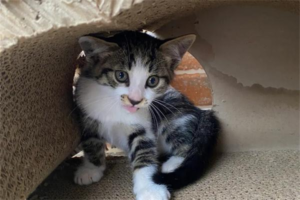
A stray cat rubbing on you usually signals affection and trust — but it may also be seeking food, help, a home, or even 'claiming' you. Strays lack steady food, so they approach friendly people for a meal. Some were once pets and still hope to be adopted. Stay cautious: keep distance to avoid bites, watch for illness, and if you take one in, get a vet check, vaccines, and deworming.

How to Care for a Female Dog in Heat
A female dog in heat has weaker immunity, mood swings, and a bloody discharge. Use dog diapers, limit outings, skip baths (wipe instead), boost nutrition, and keep her space clean and warm. Spaying is worth considering if you don't plan to breed her.
How to Comfort a Cat After It Gets Scared
Move a scared cat to a quiet, enclosed space (a bedroom or carrier) with its familiar blanket and toys, close doors and curtains, and use a pheromone spray. After it settles, crouch about a meter away, offer a finger for it to sniff, then pet the forehead or chin. Keep the home calm for 24 hours. Watch for signs of true stress — not eating, vomiting, or straining to urinate — and see a vet if they appear.

What to Do If Your Cat Has a Difficult Temperament
A grumpy cat may be unmet in its needs or physically uncomfortable; neglect, poor diet, or illness all show as bad mood. Find the cause first. Build a calm, stable home, spend daily time playing and bonding, meet its physical and emotional needs, and be patient through heat or pregnancy — most cats warm up with steady, gentle care.

What Are the Signs That a Cat Is Sad?
Sad cats often show it through loss of appetite, hiding, watery eyes, over- or under-grooming, and poor sleep. Comfort them by respecting their space, offering a safe retreat, and engaging in calm, low-pressure interaction.

How to Tell If a Stray Cat Wants an Owner
To judge whether a stray cat wants a home, watch its behavior: a cat that approaches you, rolls over, shows its belly, or eats eagerly from your hand likely wants a bond; one that flees or refuses food is wary and harder to tame. Win trust with regular feeding, a calm voice, and patience.