Search Results
402 results for “Cat Care, Behavior”

Signs Your Cat Is Jealous of Another Cat
A cat jealous of another cat may show aggression when you pet the rival, compete for your attention, mark territory more, guard resources, change habits, grow anxious or depressed, or mimic the other cat. Ease it with enough resources (one per cat plus one), one-on-one time, and separate rest areas.

How a Mother Cat Teaches Her Kittens
A mother cat teaches by example - grooming, using the litter box, cleaning, and socializing - plus gentle bites and pats to correct, play to build hunting skills, and different vocal tones to guide. Owners can borrow her patient methods when raising kittens.

Why Does a Mother Cat Bring Her Kittens to You?
A mother cat may bring you her kittens because she thinks they aren't hers, is asking for help, wants a break, is culling the weak, hopes you'll adopt them, or needs help weaning. It can mean trust, but not always — read her behavior and respond with the right care.
Do Stray Cats Recognize the People Who Feed Them?
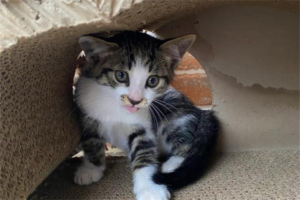
Stray cats recognize their feeders through sight, smell, and sound. They remember a person's appearance, voice, and scent after repeated, kind contact, and can grow emotionally attached. Feed gently from a distance — but avoid fixed-spot feeding, which erodes their survival skills.

Do Cats Hold Grudges? (They Probably Don’t)
Cats don't hold grudges—their memory is survival-oriented (short-term ~10–15 minutes; long-term only 'reward/punishment' links for danger avoidance). 'Revenge' acts like peeing on the bed are fear/stress responses or scent-marking for security, not spite. Keep trust with gentle handling and treats; if stressed, use pheromones and give space.
How Long Does a Female Cat’s Heat Last?
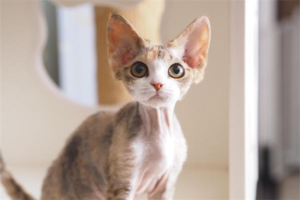
A female cat's heat usually lasts about 3–10 days (cycle 14–21 days, 2–3 times a year), with signs of loud yowling, irritability, swollen vulva, raised-rump posture, lower appetite, spraying, and escape attempts—so secure doors and windows. Spaying is the permanent fix and lowers reproductive-disease risk; distract with play, white noise, and check-ups meanwhile.

What to Do About Postpartum Depression in Cats
Postpartum depression in cats is common—signs include low appetite, withdrawal, and anxiety. Help with a quiet rest space, a steady diet and gentle exercise, regular petting and play, close behavior monitoring, engaging toys, and a vet visit if it lingers (medication may be needed). A new companion or environment change can also lift mood.

How to Tame a Chinese Li Hua Cat’s Wild Nature
Taming a Li Hua cat starts with a safe, enclosed space to ease its wariness, then building trust through calm presence, timed feeding, and gentle play. Use positive reinforcement to teach basic commands, and give it regular exercise to satisfy its hunting drive.

How to Prevent Aggressive Behavior in Cats
Cats bite or swat from fear, play-hunt practice, attention-seeking, or low mood. Give them time and space to settle, play with toys not hands, and ignore then redirect rough play. Build trust slowly so a scared cat learns you are not a threat.
Why a Mother Cat May Kill Her Kittens
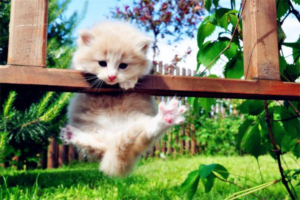
A queen may kill a newborn because of low milk, post-partum distress, a weak kitten, strange smells on the kitten, stress, or poor nutrition. Keep the nest calm, feed her well, and isolate any rejected kitten to hand-rear with formula.