Search Results
571 results for “Cat Behavior”

Western Hermann’s Tortoise
The Western Hermann's Tortoise (Testudo hermanni) is a common, beginner-friendly tortoise with undemanding environmental needs and good disease resistance, though it carries a relatively high price. Native to Spain and southern France, it is a Mediterranean-species herbivore that also occasionally takes animal prey.

Hilaire’s Toadhead Turtle
Hilaire's Toadhead Turtle (Phrynops hilarii) is a side-necked turtle in the toadhead genus, strongly affected by ambient temperature and closely tied to it in behavior. Delicate and hard to keep in captivity, it is not recommended as a first turtle.
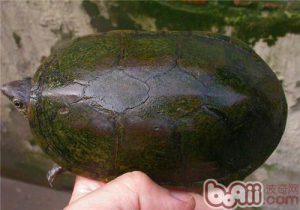
Oaxaca Mud Turtle
The Oaxaca Mud Turtle (Kinosternon oaxacae) is a type of mud turtle that aestivates in summer, burying itself in mud to cool down—hence its name. Living in slow-moving rivers, it hunts fish and shrimp in the water and is an omnivore that leans carnivorous.

Travancore Tortoise
The Travancore Tortoise (Indotestudo travancorica) closely resembles the Burmese Star Tortoise in appearance and shares its preference for a dry habitat. Though sometimes considered a subspecies of the Burmese tortoise, this has never been confirmed; it is a shy, inactive tortoise suited to simple husbandry.
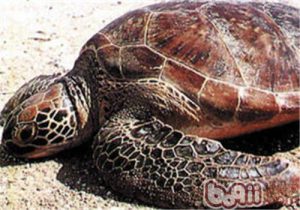
Loggerhead Sea Turtle
The loggerhead sea turtle (Caretta caretta) is a large marine turtle found in the warm temperate waters of the Atlantic, Pacific, and Indian Oceans. Historically overharvested for its meat and eggs, it is now listed as a protected species under international and Chinese law.

Canine and Feline Brain Tumors
Brain tumors in dogs and cats are most often meningeal or glial tumors that appear in middle-aged to older pets, with some breeds such as Boxers and Bulldogs overrepresented. They compress brain tissue and cause gradually worsening neurological signs including behavior changes, circling, head tilt, blindness, and seizures.

Canine and Feline Ovarian Tumors
Ovarian tumors are uncommon in dogs and cats and usually arise as a primary growth, most often a granulosa cell tumor in older females. Hormone-secreting types cause persistent estrus, while others simply enlarge the abdomen; surgery is typically curative.

Male Dog Feminization Syndrome
Feminization syndrome in male dogs is caused by a testicular (Sertoli cell) tumor or excess estrogen medication, producing enlarged breasts, milk flow, and attraction of other males. Surgical removal of the affected testicle is the main treatment.

Canine and Feline Androgen Excess
Androgen excess is an overproduction of male hormones from testicular tumors or other causes, causing heightened sexual behavior and symmetric hair loss. Surgical removal of the affected testicle is usually curative.

Canine and Feline Estrogen Excess
Estrogen excess happens when the ovaries overproduce estrogen or estrogen is given in excess, leading to symmetric hair loss, skin changes, and reproductive-tract problems. It is corrected by stopping the source and, in tumor cases, surgical removal.