Search Results
565 results for “Cat Behavior”

The Secret in Your Dog’s Whiskers
We feel the world with our hands; dogs feel it through smell. But like us, they use more than one sense—and another is their whiskers. The thick hairs on a dog's muzzle, chin, and cheeks are vital: set deeper in the skin, they help the dog read the environment. Like human fingers, whiskers are highly sensitive; their follicles are packed with nerves and blood vessels, giving touch feedback straight to the brain faster than other routes. Studies show half the sensory region of a dog's brain connects directly to its whiskers. Whiskers also sense tiny air currents and vibrations—key to a dog's night vision. Some breeds use them like cats to judge if they fit through tight spaces, and in fights both dogs reflexively flick whiskers forward to threaten. Cutting whiskers does not impair spatial balance (despite the myth), but it does hurt—the follicles are full of nerves—so never cut them for looks.
Why Do Dogs Hate Delivery Couriers?
Many dog owners know the scene: whenever a delivery or takeout courier knocks, the family dog turns aggressive and may even attack the innocent visitor. Why does a knock at the door trigger such a loud, fierce reaction? The answer lies in a dog's territorial instinct. Before domestication, dogs strictly defended their territory, warning intruders by barking, then growling, then attacking. Early humans valued dogs precisely as living alarms. Today that instinct remains: when the courier knocks, the dog defends; when the courier leaves, the dog thinks it won. Next time the courier returns, the dog believes its earlier warning was too weak and escalates from bark to growl—and a perceived challenge can turn into a bite. To change this, reward calm behavior at the door with treats, teaching the dog that staying quiet near strangers earns a reward.
A Complete Guide to Pet Spay and Neuter Surgery
Spaying or neutering is one of the most responsible decisions a pet owner can make. For dogs and cats, the ideal window is around 6 to 8 months of age, ideally before the first heat cycle, which lowers the risk of reproductive diseases and unwanted behaviors. The procedure should only be performed on a healthy animal that is fully vaccinated, has adequate antibody levels, and is regularly dewormed. Once you choose a trusted veterinary clinic, you can book the surgery and share your pet's age, vaccination, and deworming history. The clinic will explain pre-operative fasting rules. This guide walks you through the timing, preparation, and the step-by-step process on the day of the operation so you know exactly what to expect.
How to Potty Train a French Bulldog
Potty training a French Bulldog starts by limiting freedom with a crate or pen and picking one fixed toilet spot, such as a bathroom corner or a quiet area. Lay down pee pads, let your Frenchie out on a schedule, and reward immediately when it goes on the pad — praise and a treat teach it that the pad means good things. A small pen enclosing just the pad narrows the choice at first, then expands as the habit forms, and comes away once training sticks. Consistency and timing are what make it work.

What to Do If a Guinea Pig Bites You
If a guinea pig bites you, wash the wound thoroughly with warm water and soap to remove saliva and bacteria, gently squeeze out a little contaminated blood if it bleeds, then press with a bandage to stop bleeding and disinfect with iodine or alcohol. Seek medical care for deep or facial wounds. To prevent future bites, learn the trigger—defense, pain, fear, stress, or lack of socialization—and address it with gradual handling, a stimulating environment, and respect for the animal's individual boundaries.
What Every Pet Owner Should Know About Vaccinations
Vaccines are a core part of protecting your dog or cat. A vaccine is a weakened virus that trains the immune system to fight real infections, guarding against deadly diseases such as distemper, parvovirus, adenovirus, rabies, feline panleukopenia, calicivirus, and rhinotracheitis. Puppies can be vaccinated from 45 days old and kittens from 63 days, after weaning and a short settling-in period. Even with proper vaccines, immunity can fail due to maternal antibodies, immunosuppression, stress, or infection during the incubation window—so follow your vet's timing.

What Are the Symptoms of Epilepsy in Dogs?
Epilepsy is a condition marked by repeated seizures that can range from brief, mild episodes to severe ones that last a long time and recur often. Because seizures take many forms and can be triggered by a wide range of underlying diseases, spotting the four key signs helps dog owners respond correctly. A seizure may be generalized, causing a dog to collapse and paddle with no awareness of its surroundings, or focal, affecting only one part of the body. Dogs often show subtle restlessness beforehand, and may seem confused and unsteady afterward. Many illnesses can cause seizures, so a vet must rule out each one. Most seizures are not immediately dangerous, but any episode lasting over five minutes needs emergency care.
What happens when a Teddy (Poodle) can’t find its owner?
When a Poodle can't find its owner at home, it becomes low, anxious, and barky, and over time may urinate or defecate around the house from stress, along with destructiveness, poor appetite, and lethargy. Outdoors, it usually tracks the owner by nearby scents, and a smart dog may wait in place or follow its usual route home.
How to Prevent Pica in Rabbits
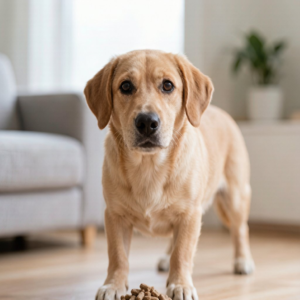
Pica is when a rabbit eats non-food items like fabric, plastic, paper or wires, often from unbalanced fiber, lack of chew material, stress, boredom or loneliness, or an underlying problem such as overgrown teeth or gut parasites. Prevent it with plenty of hay and fresh vegetables, clean bowls, safe chew toys, tunnels and climbing spots, and regular social contact and affection. If diarrhea, constipation or vomiting appears, see a vet, since digestive disease can drive the behavior.
Can a Guinea Pig Cold Heal on Its Own?
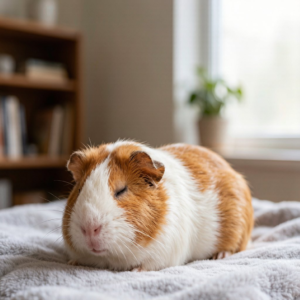
A guinea pig cold rarely clears by itself. Unlike a human cold, it comes from different pathogens and the animal's immune defense is weak, so treatment is usually needed to ease signs and aid recovery. Symptoms are sneezing, clear nasal discharge, more eye discharge, lost appetite, and low spirits. See a vet early for diagnosis and the right antibiotics or supportive care; keep the cage warm and clean, offer vitamin-C-rich easy food, and ensure fresh water. Never medicate on your own, as wrong drugs can harm the pig.