Search Results
515 results for “Cat Behavior”
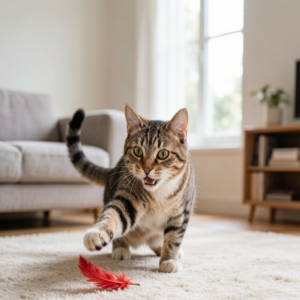
Why Does My Cat Attack Me?
A cat that attacks its owner is often reacting to misunderstood play or training. Using hands or feet to play can teach a cat to treat body parts as prey, triggering its hunting instinct to strike. To prevent this, never encourage such play and redirect with a wand toy. Attacks can also be a bid for attention, in which case ignoring the behavior works best. Kittens that bite usually missed socialization training, which teaches them how to interact with people. Other causes include fear-based defense, pain or illness, and redirected anger. Reading the context helps you respond safely.
5 Tips for Keeping a Senior Cat Healthy
Five tips for senior cats: twice-yearly exams to catch teeth, arthritis, heart, and kidney issues; watch behavior like appetite, litter, and sleep changes; ease daily life with ramps, non-slip mats, and low-sided litter boxes; switch to senior food to control weight; and give soft, warm, safe bedding, guarding wires from chewing.
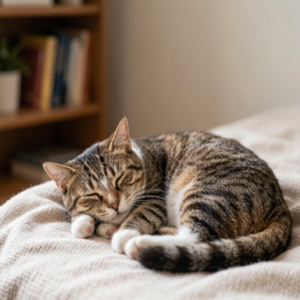
Can Cats Suffer From Insomnia?
Cats generally sleep well and rarely struggle to fall asleep, but poor sleep can occur when they are unwell, stressed, kept in a noisy environment, or fed and exercised on an irregular schedule. A healthy cat sleeps around 14 hours a day, with kittens, seniors, and sick cats sleeping even longer. Ongoing sleep loss harms a cat's mood and health, so owners should provide a quiet, comfortable resting place and avoid disturbing them. If a cat shows lasting changes in sleep or behavior, a veterinary visit helps rule out underlying illness. Protecting your cat's rest supports immunity, stable temperament, and long-term wellbeing.
Can Cats Take Human Birth Control Pills?
Can cats take human birth control pills? No. These drugs disturb a cat's metabolism and nutrient absorption, and long-term use can cause arterial hardening, ovarian bleeding, cysts, pyometra, and mammary tumors, even fatal disease. The ovaries and uterus also change, bringing laziness, overeating, and weight gain. The safe alternative is spaying, best done between six months and one year of age when the cat is healthy and mature.
Health Check and Prep Before Bringing a New Cat Home
Before a new cat comes home, a health check is the smart first step, plus a few daily supplies once it arrives. A pre-purchase exam, blood and stool tests, and X-rays map out the kitten's condition. Then watch for the big early risks: panleukopenia, cat flu, ear mites, and gastroenteritis. Avoid baths or shaving unless a skin issue demands it, since the stress can trigger behavior problems and illness. Knowing the warning signs helps you act fast.
Essential Tips for Cat Owners
Before adopting, match a cat to your time and life; consider a companion if you're often away, check for allergies, and spay or neuter. Boxes beat fancy toys, scoop the litter often, add vertical scratchers, and build grooming habits young. Feed balanced quality food to avoid disease and deficiency.
Cat Stress Reactions and How to Ease Them
Stress is the most common feline behavior problem and a driver of many diseases. Triggers include new homes, vet or grooming visits, noise, household changes, and resource competition in multi-cat homes. Signs range from acute fear to chronic hiding, over-grooming, and aggression. Ease stress with a calm space, play, pheromones, and a vet check.
Caring for a Cat with Dementia
As cats age, odd behaviors may signal cognitive decline or brain atrophy. Watch for big swings in appetite, litter-box confusion and accidental soiling, sudden personality changes or aggression, and broken sleep. These warrant a prompt vet visit to find the right plan.

The Secret Behind Why Cats Knead
Kneading is a habit cats form as nursing kittens, pressing the mother's belly to draw milk while feeling warm and safe. Many keep it into adulthood as a way to communicate comfort and affection. There's even an evolutionary angle: scent glands in the paws release pheromones during kneading that signal bonding and can calm aggression. When your cat kneads you, stay quiet, don't grab the tail, and let it express its love. This article uncovers the reasons and the gentle way to respond.

When Do Cats Knead (and What Does It Mean)?
Cats usually knead in a few clear situations: when hungry, when happy and relaxed, during heat, or when missing their mother. The behavior starts in kittenhood—pawing the mother's belly to stimulate milk—so a hungry cat may knead to ask for food, while a content cat kneads to show trust. During heat, kneading is self-soothing and shouldn't be interrupted. When your cat kneads you, it feels safe and fond of you, so don't push it away. This article explains the triggers and how to respond.