Search Results
5271 results for “Can f 5”
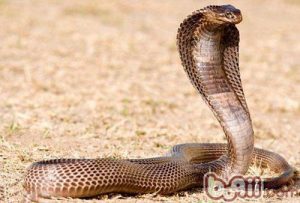
Egyptian Cobra
The Egyptian Cobra (Naja haje) is a large, highly venomous snake of northern Africa and the Arabian Peninsula, famed as the 'asp' of Cleopatra. Reaching 1.5–2.4 m with a broad neck hood, it is mostly nocturnal and delivers a potent neurotoxic venom—among the deadliest cobras.

Philippen’s Stripe-necked Turtle
Philippen's Stripe-necked Turtle (Ocadia philippeni) is a large striped-neck turtle endemic to Hainan, China, resembling the Chinese stripe-necked turtle but with a larger carapace. Sensitive to temperature swings, it is omnivorous and fairly easy to keep, though wild individuals are scarce and often mislabeled as the Chinese stripe-necked turtle.

Brazilian Black and White Tarantula
The Brazilian Black and White Tarantula (Brazilopelma colloratovillosum), also called the Brazilian Black and White, is a fast-growing terrestrial tarantula from Brazil's rainforests. Reaching a 16–17+ cm leg span, it is relatively docile and a good choice for beginners, though it will kick profusely if startled.

Peruvian Golden Copper Tarantula
The Peruvian Golden Copper Tarantula (Lasiodorides polycuspulatus) is a medium-sized, calm tarantula from central Peru whose silver-gray spiderlings develop golden-copper markings as they mature. Though wild collection has dwindled, it remains a favored, beginner-friendly species.

Brazilian Gray Smoke Tarantula
The Brazilian Gray Smoke Tarantula (Grammostola alticeps) is a terrestrial tarantula from Brazil and Uruguay named for the gray fuzz covering its body. A slow-growing species reaching about 14 cm, it is defensive enough that keepers should avoid oversized prey that may trigger hair-kicking.
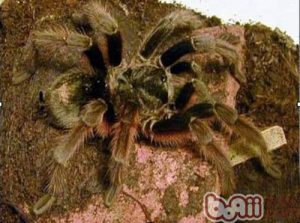
Brazilian Coffee Tarantula
The Brazilian Coffee Tarantula (Acanthoscurria suina), also known as the Argentine Coffee, is a ground-dwelling species from Argentina and Uruguay that favors subtropical grassland. With a mild temperament, slow speed, and modest size, it is often recommended as a good starter tarantula for beginners.
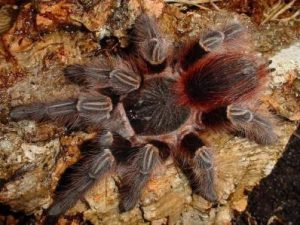
Bolivian Red Rump Tarantula
The Bolivian Red Rump (Acanthoscurria chacoana), also called the Bolivian Salmon Pink, is a pet tarantula native to Bolivia and Argentina prized for its impressive size and coloration. Adults can exceed a 20 cm leg span and may show some defensiveness, but they remain a popular choice for keepers.

Psalmopoeus pulcher
The Panama Golden (Psalmopoeus pulcher), also called the Panama Blonde, is a striking arboreal tarantula from Panama's rainforests, reaching 15-16 cm. Golden adults with pink-legged slings are beautiful but fast, somewhat aggressive, and best for experienced keepers.

Pamphobeteus platyomma
The Brazilian Pink Bird-eating Spider (Pamphobeteus platyomma) is a striking, rare theraphoside from Central America's rainforests, reaching 18-22 cm. Its slings are blue with red abdomens, and adults are vividly colored; best left to experienced keepers due to its aggressiveness and difficult breeding.

Tiliqua nigrolutea
The blotched blue-tongued skink (Tiliqua nigrolutea) is found in southeastern Australia and Tasmania, feeding on insects, land snails, flowers, and fruit. A terrestrial skink that adapts well to captivity, it needs a temperature gradient of 22-32 deg C and humidity of 50-80%.