Search Results
5279 results for “Can f 5”

How Much Does It Cost to Keep a Cat?
Keeping a cat need not be expensive. Start-up runs about 560 yuan: a fully enclosed litter box, food and water bowls (plastic frame with stainless steel inner), cat nail clippers, a covered crate or tent, a carrier, and the first FVRCP vaccines (2–3 shots). Monthly essentials—food, tofu litter, a scratching post, and deworming every three months—add up to roughly 165 yuan. Extras (treats, canned food, cat tree, neutering) have no ceiling, so spend within your means; the first year totals around 2,500 yuan.

Recipe: Raw Chicken Cat Food (with Bone Meat)
Raw chicken cat food is the most accepted homemade meal — even cats that turn up their nose at beef, lamb, or rabbit will eat chicken, and it is gentle on the wallet. The base is chicken thigh and breast (about 80%), with heart, liver, and gizzard for organs, then a short list of supplements: taurine, calcium, a multivitamin, a little vegetable-and-fruit puree, alfalfa and kelp powder, probiotics, and salmon oil. Dice the meat, stir everything together, portion one meal and freeze the rest. It takes under ten minutes.

6 Signs Your Dog Isn’t Getting Enough Exercise
A dog's exercise need depends on breed, age, and size. Some dogs play hard outdoors daily; others only stroll the neighborhood—but every dog needs a sensible amount of activity. So how do you know yours is under-exercised? Watch for six signs: destruction (a normally calm adult wrecking the home needs an outlet, not a beating); rough play (an usually gentle dog throwing its whole weight around with others); obesity (too much food, too little movement—common in seniors, though sudden weight gain can signal illness); restlessness (pacing at night, especially in small breeds that still need 10–20 minutes of indoor play); excessive barking (pent-up energy venting as noise); and lethargy (a depressed, uninterested dog). Puppies need several 5–10 minute sessions; adults 30–60+ minutes (or under 30–60 for low-need breeds); seniors 2–3 sessions of about 30 minutes. Remember: for most dogs exercise is a walk, but don't ignore mental stimulation—especially for dogs that can't go out.
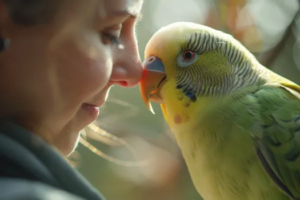
Why Did My Blood Parrot Cichlid’s Tail Turn Black?
Blood parrot cichlids are popular aquarium fish, and owners are often alarmed when a fish's tail slowly turns black. The cause is usually practical rather than mysterious—water temperature swings, poor water quality, a fright, or a bacterial black-spot disease. Most cases trace back to husbandry, so the fix is often a better water routine. This guide explains the common reasons and the matching treatment to bring the color back.
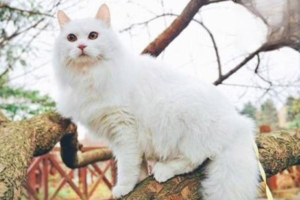
Why Your Cat Licks You (and When to Stop It)
A cat that licks you is usually showing love, asking for food or a clean box, marking you with its scent for security, or telling you it's unwell. But the barbed tongue can abrade your skin into red patches, and a cat's mouth carries bacteria including Bartonella (cat-scratch disease, from fleas/ticks), which can pass through tiny unseen wounds. Stop licking promptly, separate the cat at night, or use a scent it dislikes. If licked, wash 15 minutes with soap and running water, disinfect with dilute iodine, and see a doctor for visible breaks—watching for rabies too.
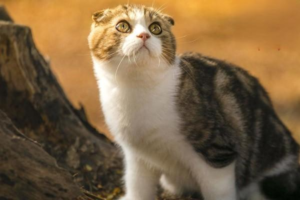
How to Pet Your Cat So It Loves You
No area is off-limits once a cat is well socialized from kittenhood—daily full-body handling builds trust and a love of touch. For an unsocialized cat, go slowly and read willingness: offer a downward palm at the forehead; if it nudges in, begin. Start at the head and neck (small circles, ear rubs), move to cheeks/chin, along the spine (the base-of-tail spot is a favorite), then armpits, paws, belly, and even testes in intact males. Use a gentle 'breeze' touch like a spa, not a firm knead; stop if it objects. A cat-specific scent oil can deepen relaxation.

How to Make Alfalfa Powder for Homemade Cat Food
Alfalfa powder is a simple, nutrient-rich topper for homemade cat food, yet many owners aren't sure how to make it. The process is quick: a handful of alfalfa, a few seconds in a grinder, and it's done in under five minutes. Alfalfa grows on fertile soil with roots that reach deep for minerals, and as a dried plant it keeps its enzymes and is packed with vitamins A, B, C, D, E, and K plus antioxidants that aid digestion. A teaspoon a day for a 4-5 kg cat is plenty, and it stores dry at room temperature.

Internal Parasites in Turtles: Tapeworms and Roundworms
Tapeworms and roundworms are two of the most common internal parasites in turtles, and telling them apart matters because the treatment differs. Tapeworms steal nutrients in the gut and shed visible segments in the stool; roundworms come in many forms and can block the intestine when severe. Both are diagnosed through fecal exams and treated with specific dewormers plus gut support. This guide outlines the symptoms of each and the practical medication and aftercare steps to clear them.
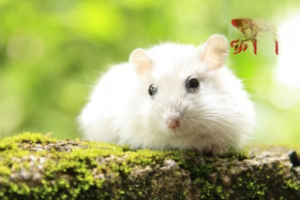
Why Is My Golden Hamster Squeaking Constantly?
Golden hamsters are normally quiet creatures that sleep by day and run on their wheel by night, so constant squeaking is a signal worth reading. It can be completely harmless—a dream, a startle, or a sulk—or it can mean real distress from illness, injury, or a perceived predator nearby. Because the tone differs between a content chirp and a pained wail, owners should learn to tell them apart. This guide covers the five common reasons a hamster cries out and when a vet visit is the right call.

Keep These Cleaning Products Away from Your Dog
Household cleaners carry more hazardous chemicals than you think, and they are far worse for dogs. Dogs spend nearly all their time on the floor, touching cleaners directly and absorbing them through paw pads and skin; even off the floor, their keen noses inhale the toxins. Five chemical groups to watch: ammonia (toxic, irritates the respiratory system; in glass/stainless cleaners, floor wax)—seek vet care if ingested. Chlorine/bleach (vomiting, diarrhea, burns, even seizures; in toilet/mold cleaners, detergent). Phthalates (linked to liver, testicular, pancreatic tumors; in nail polish, hairspray, soap, shampoo—avoid in dog toys). Glycol ethers (liver, nerve, digestive harm; in multipurpose/carpet/glass cleaners, hand soap; even 'natural' ones). Formaldehyde (irritates eyes/skin, slows breathing; in perfume, tissues, hand soap, nail polish). Also avoid 84 disinfectant (bleach-based, corrosive, causes chronic rhinitis).