Search Results
5279 results for “Can f 5”

Cat Health Checkup Guide (Part 1)
For most cat owners, regular checkups are essential yet confusing: how do you get a cat to the clinic, and which tests actually matter? This first part covers preparation before the visit and the exams most relevant to each life stage and breed, helping you make sense of a stressful process.

Why Does Your Cat Have Bad Breath?
A cat's normal scent varies (some say bread, popcorn), but a sudden stink—or a 'bio-weapon' yawn—means trouble. Cats groom constantly, so if the mouth smells, the fur smells after licking. Causes: (1) diet—strong seafood or cans cause brief odor; (2) plaque and tartar from uncleaned saliva and food debris; (3) gingivitis/stomatitis from oral bacteria (red, swollen molars); (4) poor digestion—eating too fast/full with weak enzymes and flora; (5) breath with a urine smell can signal kidney disease. Fixes: switch to healthier food, treat oral inflammation with vet-prescribed antibiotics, brush regularly (make it a habit), use probiotics for digestion, and get periodic dental checks.

8 Common Health Issues in Senior Dogs
Aging brings: (1) hearing/vision loss—train hand signals, leash outdoors, pad the home; (2) arthritis (osteoarthritis) in weight-bearing joints causing pain on walks/stairs—vet care; (3) kidney disease, often chronic, with thirst, more urine, nausea, lethargy—manage, not cure; (4) incontinence from organ/muscle/nerve decline—vet check, more walks; (5) obesity raising arthritis/heart/diabetes risk—cut food, keep gentle exercise (walks, swim); (6) dementia (disorientation, anxiety, poor sleep)—meds for quality; (7) lumps/tumors, mostly benign—let the vet judge; (8) cancer, common and varied—regular checkups catch it early. Older dogs need closer diet and exercise management, and more patience.

Common Everyday Cat Illnesses (Part 2)
Five more common cat conditions: (1) Panleukopenia (feline distemper) — a fierce, contagious viral disease hitting gut and airways; fever, bloody diarrhea, lethargy, dehydration; high death rate in under-8-week kittens, so vaccinate and rush to a vet at the first sign (lice, mites, fleas can spread it). (2) Cancer — rarer than in dogs but cats hide pain; watch for lumps, non-healing skin infections, weight loss, vomiting, odd urination. (3) Kidney disease — common in seniors; low appetite, weight drop, vomiting, lethargy; needs dialysis or transplant when severe. (4) Fractures — from falls; sudden limping or hiding. (5) Poisoning — from human food or toxic plants; repeated vomiting/diarrhea, blood in stool/urine; vets give fluids and anti-emetics. Don't rely on self-healing—use a trusted clinic.

When Do Yellow-Margined Box Turtles Reach Sexual Maturity?
Yellow-margined box turtles generally reach sexual maturity at 5 to 7 years of age, then mate each mid-April and lay eggs from May to September. But breeding needs more than maturity—suitable environment, diet, light, temperature, and humidity all matter, and you need one male and one female paired together. After laying, check the eggs for fertilization and remove infertile ones so they don't spoil the rest of the clutch. This article covers their maturity timeline and breeding behavior.

Why Cats Love Running Water
A cat's fascination with running water is instinct, not mischief. In the wild, cats drink moving water because still water breeds unseen bacteria, and a dripping tap also triggers curiosity and a sense of hunting for sources. Cats also smell roughly 200,000 times better than we do, so they dislike the chlorine and stale scent of water left standing in a bowl. The fix is simple: a circulating fountain, water placed away from food, and a refresh two or three times a day. Good intake matters — low water leads to urinary stones and kidney disease.
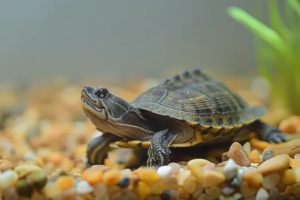
What to Do After Your Yellow-Margined Box Turtle Lays Eggs
After a yellow-margined box turtle lays eggs, move them to an incubator with the right conditions. Manage temperature and humidity carefully: aim for 25 to 30°C overall, with humidity near 65% in the first 25 days, 70% in the middle period (days 26 to 50), and 80% later (days 55 to 75). Also check that the eggs' air pores stay clear—blocked ventilation can stop development or kill the embryo. This article walks through the incubation care that helps your eggs hatch in about two to three months.

How to Prevent Turtle Eggs From Molding During Incubation
Turtle eggs can mold during incubation when temperature and humidity are off, when eggs are contaminated or cross-infected, or when they were never fertilized. Good incubation management is the key defense. After laying, check each egg for fertilization and remove infertile ones so they don't spoil in the warm, humid box and infect the rest. Keep temperature and humidity appropriate, control pests, and protect eggs from contamination and cross-infection. This article explains the causes and the practical steps to keep your hatch healthy.

Everyday Dog Facts You Should Know
Useful norms: adult dogs run 37.5–38.5°C, puppies 38.5–39°C (low temp can be more dangerous than fever); adults have 42 teeth (28 baby by 2 months, full set by ~1 year—watch for 'double rows' needing vet help); adults sleep 10–15 hours, puppies ~20, in naps; front paws have 5 toes (including the vestigial dewclaw), rear have 4—trim dewclaw nails to avoid ingrowth; and dogs are red-green color-blind, seeing blue and yellow, judging traffic lights by brightness, not hue.

How to Convert Cat Years to Human Years
There is no perfectly scientific cat-to-human age chart, but the common rule beats the old 'one year equals seven' myth. A cat's first two years cover roughly a person's first 25 years, and after that each cat year is about four human years. That maps onto clear life stages: a kitten under six months, a 'teen' from seven months to two years, a prime adult of three to six, a mature cat of seven to ten, and a senior from ten to fifteen-plus. Pet cats average 12-15 years; the recorded oldest reached 38 years and 3 days, and Siamese tend to live longest.