Search Results
5279 results for “Can f 5”

Causes and Treatment of Dog Hepatitis
Dog hepatitis can stem from infectious canine hepatitis, toxins or drugs (arsenic, mercury, plant alkaloids, phenols, chlorpromazine, testosterone, halothane), or liver-fluke parasites. Early signs are vague — lethargy, appetite loss, jaundice, vomiting — so a vet visit and blood work are needed; treatment removes the cause, supports the liver, and uses antivirals when viral.
How Much Water Does a Cat Need Each Day? Even a Little Less Is a Risk
A cat needs about 40–60 ml of water per kg of body weight daily — roughly 200–300 ml for a 5 kg cat. That total includes water from food: dry food is only 5–10% moisture while wet food and fresh diets are 70–80%. Pregnant/nursing mothers need +50%, kittens (3–6 months) 60–80 ml/kg, and hot, dry, or active conditions call for +20–30%. Chronic shortfalls raise the risk of urinary crystals, kidney disease, and constipation.

How to Prevent Ear Mites in Dogs
Prevent ear mites by keeping the living space and ears clean and dry, caring for the ears regularly with a vet-safe cleaner, feeding a high-quality diet to build immunity, and exercising daily while avoiding dense brush. A damp ear canal is a breeding ground for mites.
Is a Dog an Omnivore or a Carnivore?
Dogs are meat-leading omnivores: descended from wolves, they keep carnivore traits (sharp canines, a gut built for protein and fat) yet, after thousands of years of domestication, carry starch-digesting genes (AMY2B) that wolves lack. Feed 'meat first, plants second' — about 60% meat, 20% carbs (brown rice, sweet potato, oats), 20% veggies/fruit — and skip the myth that 'higher protein is always better' or that human food is fine.

What to Do About Postpartum Depression in Cats
Postpartum depression in cats is common—signs include low appetite, withdrawal, and anxiety. Help with a quiet rest space, a steady diet and gentle exercise, regular petting and play, close behavior monitoring, engaging toys, and a vet visit if it lingers (medication may be needed). A new companion or environment change can also lift mood.
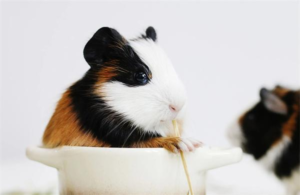
Common Guinea Pig Diseases and Their Symptoms
Guinea pigs commonly suffer digestive troubles (diarrhea, constipation, gut parasites), respiratory infections (pneumonia, bronchitis), skin disease from bacteria, fungus, or external parasites, and urinary issues (cystitis, nephritis). Good diet, clean housing, checkups, and prevention keep them healthy.

Why Do Dogs Get Eczema?
Dog eczema is triggered by allergies, physical or chemical irritants, heat and humidity, arthropod bites, excess carbohydrates or vitamin gaps in the diet, and underlying skin disease. Keep the coat dry, the environment clean, and allergic dogs well managed to lower the risk.
How many shots of the four-way vaccine does a dog need?
The first course of the four-way vaccine is usually 3 shots. Canine vaccines come in 4-, 5-, 6- and 8-way types; most multivalent vaccines need 3 initial shots, 21-28 days apart. About 7 days after the last four-way shot, get the rabies vaccine. After that, yearly boosters of the infectious-disease vaccine and rabies are enough; after age 8 you may stop.
Why Is Your Dog Scooting (Dragging Its Bottom) on the Floor?
A dog dragging its bottom usually means anal itching or pain — most often impacted or infected anal glands, intestinal parasites (tapeworms), perianal skin infection, or allergies. Signs like frequent licking, straining to defecate, or a red swollen anus point to anal-gland disease (express and apply an antibiotic ointment). White rice-like segments mean tapeworms (use a praziquantel dewormer). Rule out health causes before blaming boredom or anxiety.

How Long Does It Take a Cat to Adjust to a New Home?
Most cats spend 3-5 days hiding and observing before they start exploring, and about 1-2 weeks to feel fully at home. You can speed up the process with a quiet, safe space, a consistent routine, and patient, gentle companionship.