Search Results
5279 results for “Can f 5”
Are rabbits sensitive to heat?
Rabbits are quite heat-sensitive; their comfort zone is 15–25°C and over 30°C risks heatstroke. In summer keep the cage in a cool, airy, shaded spot and add a cool stainless-steel floor; always provide plenty of fresh water changed daily, since dirty water upsets their weak digestion.
How do you keep crayfish?
Keeping crayfish starts with a suitably sized tank with a layer of substrate on the bottom and a water level of just 20-30 cm. Keep the temperature at 20-30 C (22-25 C during breeding). Do not stock them too densely, and change one third of the water weekly at first, then monthly once the water stabilizes.

Do Cats Have Nightmares?
Cats very likely dream during REM sleep, including possible nightmares, as their brains process daily experiences and emotions. Signs include twitching, soft crying, rapid eye movement, faster breathing, and sudden waking. Occasional nightmares are normal, but frequent distress warrants a check for stress or illness.

Why Do Some Corgi Owners Regret Getting One?
Corgis win fans with their looks, but owners cite real downsides: they get filthy in rain, must be carried up stairs, can be destructive, have sensitive stomachs, are stubborn and a bit jealous, shed heavily, and need plenty of exercise. Knowing these traits helps you decide if a Corgi fits your life.
Do Labradors destroy things around the house?
Yes, Labradors can be destructive too, and larger dogs do more damage. Causes include teething (4–5 months), pent-up energy from too little exercise, and separation anxiety. Give chew sticks, walk 2–3 times daily, and do desensitization training.
Does Lactoferrin for Cats Boost Immunity, or Is It a Waste of Money?
Lactoferrin isn't a scam — it's an iron-binding glycoprotein in milk with broad antimicrobial activity against bacteria, fungi, viruses, and parasites, and it supports gut-barrier function. For healthy adult cats on good food it adds little, but puppies (1–3 months), post-illness recovery, chronically soft-stooled, and senior cats can benefit. It's a supplement, not a drug: ~10–20 mg/kg/day, avoid in kidney disease, and see a vet for real symptoms like diarrhea or vomiting.
What If Your Cat Eats Only Treat Sticks and Refuses Kibble?
A cat that eats only treat sticks (cat paste) and skips kibble risks nutritional imbalance, weak immunity, and obesity, since these snacks are low in complete nutrition and high in fat. Wean gradually: mix 30% treat stick into kibble days 1–3, 15% days 4–7, 5% days 8–10, then kibble alone. Add play and puzzle feeders to build appetite. If the refusal is sudden with lethargy or weight loss, see a vet for stomatitis or illness.

Do Cats Hold Grudges? (They Probably Don’t)
Cats don't hold grudges—their memory is survival-oriented (short-term ~10–15 minutes; long-term only 'reward/punishment' links for danger avoidance). 'Revenge' acts like peeing on the bed are fear/stress responses or scent-marking for security, not spite. Keep trust with gentle handling and treats; if stressed, use pheromones and give space.
Winter Dog Care: The ‘Five Do’s and Five Don’ts’ to Save
In winter, keep dogs warm by breed/age (short-haired, small, puppy, and senior dogs need coats outdoors; long-haired breeds don't), add nutritious cooked meats, watch electric-heater safety, groom coats, and protect paws from salt. The five don'ts: no all-day clothing (weakens the coat's insulation), no staying indoors (winter blues), no skipping deworming (every 2–3 months), no drinking snow melt (gut irritation), and no frequent baths (monthly is enough).
How Long Does a Female Cat’s Heat Last?
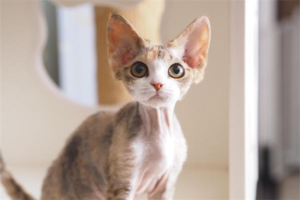
A female cat's heat usually lasts about 3–10 days (cycle 14–21 days, 2–3 times a year), with signs of loud yowling, irritability, swollen vulva, raised-rump posture, lower appetite, spraying, and escape attempts—so secure doors and windows. Spaying is the permanent fix and lowers reproductive-disease risk; distract with play, white noise, and check-ups meanwhile.