Search Results
5283 results for “Can f 5”

Why Puppies Refuse to Eat: Common Causes
Puppies have weak digestion and often refuse food. The cause can be illness, picky eating, physiological anorexia (teething, estrus, pregnancy), indigestion, parasites, a sudden food change, digestive enzyme deficiency, or serious disease such as parvovirus or distemper. Match the sign to the cause and see a vet when other symptoms appear.

How to Care for a Postpartum Dog
After whelping, clean the mother, keep her warm, and support milk with nutritious soups and calcium; watch for lochia and metritis, avoid bathing, and protect puppies from a stressed or neglectful mother.

When and Why Does a Dog Stretch?
People often think a stretching dog is just tired, but dogs stretch for many reasons beyond fatigue. This article explores what a dog's stretch can mean.

Dry vs. Wet Cat Food: Pros and Cons
Dry kibble is cheap, calorie-dense and helps clean teeth, but is low in moisture and can cause dehydration or obesity if overfed. Wet food adds water and is more palatable, but costs more, spoils faster and builds tartar more easily. The best approach is to feed mainly kibble and offer wet food occasionally.
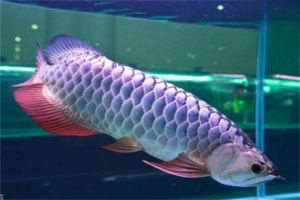
Silver Arowana: Morphology and Breeding Methods
The silver arowana is all silver, peaceful and easy to keep, but grows fast and can exceed 1 m, so it needs a spacious tank. It is a mouth-brooder: choose one healthy male (6–8 yrs, 50–60 cm) and one female (7–9 yrs, 40–50 cm), keep the tank absolutely quiet during spawning, and the male will carry 40–50 fertilized eggs in his mouth for about two months.
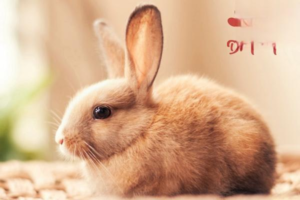
Causes and Treatment of Ulcerative Pododermatitis (Sore Hocks) in Rabbits
Ulcerative pododermatitis (sore hocks) is a pressure-induced skin ulcer on the soles and sides of a rabbit's feet, most often seen in adults kept on hard or wire cage floors. It causes pain, reluctance to move and, if infected, can lead to abscesses, cellulitis or even fatal septicemia. Good hutch design, soft bedding and prompt wound care are key to prevention and treatment.

What Do Goldfish Eat? Goldfish Feeding Habits
Goldfish do best on live animal foods (cleaned and disinfected) or balanced flakes/pellets, fed 1–3 times daily with portions finished in 10–30 minutes. Adjust timing to water temperature and never overfeed — a goldfish tolerates fasting better than bloating.

Hamster Feeding: What to Feed and What to Avoid
Hamsters are omnivores that do well on a fortified staple mix, supplemented with small amounts of grains, vegetables, fruit, cooked meat, and insects. Avoid spicy human food, fruit pits, and unboiled water; refresh food daily and keep the cage clean to prevent diarrhea.

The Body Structure of a Hamster
Many people love hamsters but few know how their bodies work, such as that hamsters have poor eyesight. Here is a close look at hamster body structure.

How to Tell Heatstroke and Wet Tail Apart in Hamsters
Both wet tail and heatstroke are serious and can be fatal in hamsters, and their symptoms look alike, so owners often mix them up and delay treatment. Here is how to tell the two apart.