Search Results
5283 results for “Can f 5”
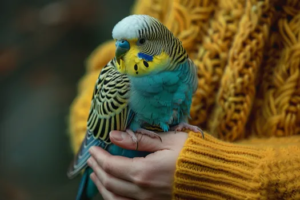
What to Know When Raising a Myna as a Beginner
New myna owners should pick a lively, healthy bird with glossy feathers, give a right-sized cage with toys and space, feed a balanced diet of special myna feed plus fruit, vegetables, and nuts, and let it adapt quietly. Socialize daily, keep the cage clean, train gently, and watch for signs of illness.
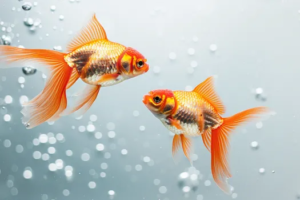
Goldfish Habits and Types
Goldfish are lively but gentle, omnivorous, and easy to school - but watch density to avoid fouled water and low oxygen. They are cold-blooded and can't take sudden 5C+ swings; best growth is 20-28C, and they like slightly alkaline water (pH 7.5-8.0). Main types: grass, wen, dragon (pop-eye), and egg (no dorsal fin).

Why Do Parrot Fish Turn White?
Parrot fish turn white from lack of pigment, poor water (alkaline or hard; they prefer soft, weakly acidic water at pH 6.0-7.0), low temperature below 20C, environment change or fright, illness, or genetics. Feed color-enhancing food, fix water and warmth, let them rest after stress, and treat any disease.

How to Raise a Myna That Isn’t Afraid of People
Mynas fear people from genetics, lack of socialization, or bad experiences. To raise a tame myna, give a safe environment, approach gradually with soft speech and gentle touch, socialize it with varied people and places, reward interaction with food or toys, and always be patient and respectful - never force contact.

How to Train a Dog to Potty in a Designated Spot
Potty training works best after eating, drinking, waking, or playing - take the dog to the spot when it circles or sniffs. Use a clear verbal cue and reward success with praise or treats. Stay patient with accidents, correct gently, and seek a pro trainer if it doesn't learn. Indoor training: scent the pad with its own urine or feces.
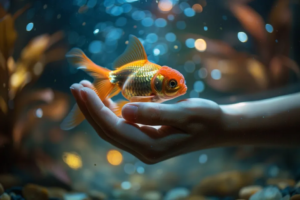
Why Does a Goldfish’s Tail Droop?
A drooping tail comes from poor water, low temperature, natural aging, or swim bladder disease. Fix water (change 1/3, temp swing under 2C), raise temp to 18-25C with a heater, accept aging as normal, or for swim bladder disease raise temp and add coarse salt. Keep water and temperature stable.
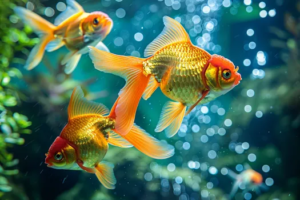
Why Is Your Goldfish Sitting at the Bottom of the Tank?
Goldfish sit at the bottom for many reasons — resting, stress from a new environment, low temperature, sudden water changes, or illness. If the fish perks up when the light brightens, it is just resting and needs no action. If poor water quality is the cause, change the water promptly; if it is sickness, treat the specific disease. Regular water care and stable temperatures prevent most cases.

Why Does a Goldfish Get White Fuzz on Its Body?
White fuzz is usually fungus (long fuzz = water mold/saprolegnia) from an untreated wound, or short fuzz from heavy skin parasites. For fungus: change water, raise temp 1-2C, and salt or malachite green baths, even surgical debridement. For parasites: salt or potassium permanganate baths - control dose carefully (15-30 min).

Tips to Get Rid of Dog Bad Breath
Dog bad breath often comes from teeth issues, oral disease, or digestion. Brush teeth at least weekly with pet toothpaste, choose high-quality digestible food plus dental chews and mouthwash, keep water ample and the bowl clean, and give probiotics if the gut is the cause. See a vet if it persists.

How Often Should You Change Goldfish Water?
Change goldfish tank water every 3-7 days, adjusting for season, temperature, stocking density, and water quality. In summer without filtration, change about a third of the water every 3 days; in winter you can stretch to 10-15 days. Keep the new-water temperature within 2°C of the old, add it slowly along the glass, and replace only 1/4-1/3 of the volume each time.