Search Results
5281 results for “Can f 5”

Why Is My Cat Vomiting and Having Diarrhea After Vaccination?
Post-vaccine vomiting and diarrhea usually stem from a temporary immunity dip that lets a chill or bad food trigger acute gastroenteritis, though incomplete vaccination can also mean panleukopenia. Withhold food and water for 6-8 hours if vomiting continues, use vet-approved GI meds, and get a fecal and blood check to confirm the cause.

How to Choose and Introduce New Rabbit Breeding Stock
Choosing rabbit breeding stock means matching the breed to local conditions and market demand, sourcing from reputable farms rather than resellers, and preferring autumn transport with climate-matched animals. Pick healthy, high-yield stock and avoid old, sick, or weaned rabbits on long trips.

What to Do If Your Cat Has Diarrhea and Vomiting After a Bath and Air Conditioning
A bath followed by cold air-conditioning can chill a cat and trigger vomiting and diarrhea, often from bacterial gastroenteritis, parasites, or (if unvaccinated) panleukopenia. Withhold food and water for 6-8 hours if vomiting persists, use vet-approved GI meds, keep the cat warm at 27-28C, and see a vet if symptoms continue.

7 Measures to Fatten Meat Rabbits Quickly
Fattening meat rabbits well depends on careful kit and doe management, timely supplementation from 18 days, balanced nutrition, constant access to water, stage-based feeding amounts, and proper stocking density. Plan for roughly 40-60 g of compound feed per kit early on, rising through the 60-120 day finishing stage.
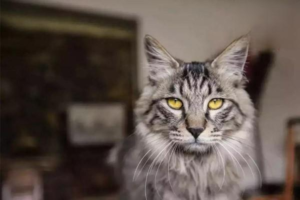
Hairball Paste or Cat Grass: What Is Better for a Cat’s Hairballs?
Hairball paste generally works better than cat grass, because cat grass triggers vomiting while paste gently moves hairballs through the gut with the stool. Feed paste 2-3 times a week for light groomers, or every 1-2 days for heavy groomers, and watch for soft stools from overuse.

Measures to Boost Rabbit Litter Yield in Autumn
Autumn is the peak breeding season for rabbits, but it is also their molt, so extra nutrition is essential to keep breeding stock in condition. Feed bucks and does differently, choose strong genetics, and manage mating and pregnancy carefully to raise litter size.

How to Help a Cat That Gets Severely Stressed When Going Out
Indoor and naturally timid cats can suffer severe stress when taken outside, with signs ranging from refusal to eat and diarrhea to, in extreme cases, FIP or even sudden death. Keep your cat in a secure carrier, comfort it with familiar items, and practice carrier training in advance to prevent travel anxiety.

What to Do When a Dog With Gastroenteritis Won’t Eat
Diarrhea and vomiting in dogs usually point to a gut problem tied to food irritation or infection. Gastroenteritis brings diarrhea, vomiting, and low appetite; severe cases need the vet. Don't force-feed — offer bland rice-and-kibble porridge once appetite returns, and seek care early.

Symptoms and Prevention of Pet Hypoglycemia
Pet hypoglycemia ranges from mild (weakness, drowsiness) through moderate (anxiety, tremors, confusion) to severe (numbness, coma, life-threatening). Because the signs aren't unique, a first episode warrants a vet check. Prevention means regular monitoring, warmth and deworming, set meal times, and careful use of any medications.

Causes of Hypoglycemia in Cats and Dogs
Hypoglycemia in pets has many triggers: stress, cold, poor nutrition, parasites, overexercise, endocrine or liver disease, and drug side effects (especially too much insulin in diabetics). Mild cases show weakness; severe cases bring coma and death. Rub glucose on the gums for quick relief, and see a vet with the full history.