Search Results
5281 results for “Can f 5”

Gastroenteritis in Dogs and Cats: Types, Symptoms & Medication
Gastroenteritis in dogs and cats spans gastritis (acute/chronic) and enteritis (viral, bacterial, parasitic). This guide covers causes, symptoms, and the medication approach—anti-inflammatories, anti-vomiting, anti-diarrhea, dewormers, probiotics—plus prevention.

Treatment and Prevention of Stud Tail Dermatitis in Cats
Stud tail is usually mild but recurs and needs ongoing care. Treatment includes medicated benzoyl-peroxide baths, topical antibiotics, neutering, and—if severe—cellulitis care. Prevention centers on diet, hygiene, and neutering.
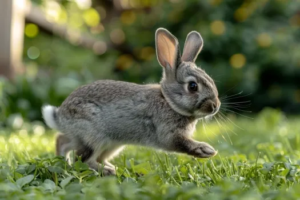
Why Your Rabbit Won’t Eat and Looks Lethargic
A rabbit that stops eating and goes listless may be dehydrated, constipated, or fighting an infection such as coccidia or bacteria. This article explains the causes and the constipation-relief methods (salts, oils, enema, meds).

How to Improve Your Rabbit’s Appetite
Rabbits lose interest in food from boredom, lack of exercise, heat, or a bland diet. Practical ways to boost appetite include varied feed, daily playtime, cool surroundings, and a little honey or tasty treats.

Why Is Your Rabbit Not Eating? Common Causes
A rabbit that stops eating can signal seasonal boredom, a sudden food change, breeding period, bloating, or pregnancy. This article lists the main causes and the practical responses for each.

Fever in Dogs and Cats: Causes, Detection and How to Reduce It
Fever in dogs and cats can stem from infections or non-infectious issues like heatstroke and post-vaccine reactions. Learn how to take your pet's temperature, recognize fever signs, and safely reduce fever with cooling and vet-approved medication.

Feline Rhinotracheitis (Cat Flu): Symptoms and Treatment
Feline rhinotracheitis, also called infectious rhinotracheitis, is a highly contagious herpesvirus infection causing fever, sneezing, eye discharge, and sometimes death—especially in kittens. This article covers its causes, symptoms, medication-based treatment, and vaccine prevention.
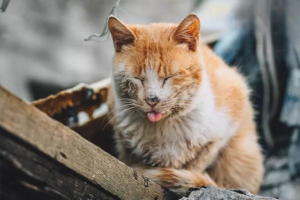
Common Causes of Shivering in Cats and Dogs and How to Manage Them
Shivering is body trembling from cold, emotion, disease, or weakness—common in pets, and seizures include it. Causes range from simple cold to poisoning or infection; this article reviews them.

Symptoms and Treatment of Seizures (Epilepsy) in Cats and Dogs
Epilepsy is a central nervous system disorder where overactive brain neurons cause abnormal function and seizures—convulsions, loss of consciousness, behavior changes. It is intermittent with many causes; treatment aims to reduce seizure frequency. This article covers types, symptoms, and management.
Difference Between Ordinary and Pasteurella Conjunctivitis in Rabbits
Ordinary and pasteurella conjunctivitis show similar symptoms but need different treatment; wrong direction causes relapse or worse. This article explains the differences.