Search Results
5279 results for “Can f 5”

How to Treat a Rabbit’s Wounds
Rabbits easily pick up minor scrapes and cuts, and any wound should be cleaned and disinfected promptly to prevent infection. For deep or large wounds, proper bandaging with sterile supplies is needed, while severe trauma requires veterinary care. Keep an E-collar on your rabbit until the wound has fully healed to stop licking.

Tips for Bathing Your Cat
Bathing a cat is manageable with the right approach: choose mild, dry weather, wet the coat gradually rather than dunking (head last), keep water at 38–40 °C with a thermostatic valve, and use only a pet-specific, low-odor shampoo. For skin issues like chin acne or a greasy tail, a medicated formula may be appropriate.
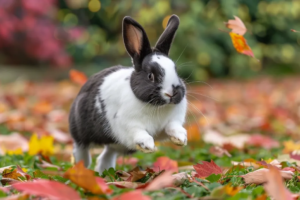
3 Essential Skills Every Rabbit Owner Should Know
Three rabbit-keeping skills pay off: pick the animal up by the scruff with hindquarter support (never the ears — that harms hearing and heat loss), read heat signs (reduced appetite, stamping, and a pink→red→purple vulva, with red meaning peak fertility), and give injections — mostly subcutaneous at the neck, intramuscular in the hindquarters, or intravenous in the ear. Hesitation with shots delays treatment.

Do Probiotics Help a Constipated Cat?
Probiotics mainly regulate gut flora and help prevent constipation, not cure it — severe cases need a vet. Watch for frequent straining, lost appetite, and a hard swollen belly (a vet emergency). Prevention: high-fiber food, plenty of water, more play, regular brushing for hairballs, belly massage, and a clean litter box. Never use a human enema — its magnesium can be fatal.
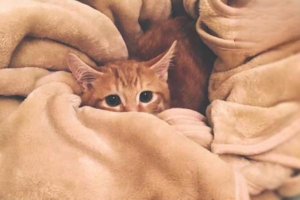
Why Does Your Cat Sleep in the Litter Box?
A cat that sleeps in its litter box usually signals insecurity, illness, stress, or a lack of better hiding spots. Medical causes like joint or abdominal pain warrant a vet check, while multi-cat households may need extra boxes to protect territory. Observe your cat's behavior to find the real cause.

Hidden Traps in Your Cat or Dog’s Diet (Part 2)
Two diet traps to watch: vegetables and snacks. Never feed onion, garlic, mushrooms, or soybeans, keep veggies under 25% of the diet (cats are carnivores), blanch and purée them, and favor cooked cruciferous types. For snacks, pick reputable brands that supply missing vitamins/minerals, avoid permeable packaging that spoils in storage, and treat them as supplements — not the main diet.

Causes of Rabbit Pica
Rabbit pica — the compulsive eating of non-food items such as fur, bedding, or newborn kits — usually arises from a mix of behavioral, environmental, nutritional, and health factors. Cage confinement, stress, poor husbandry, low fiber or mineral gaps, and skin parasites are the most common triggers. The fix starts with finding the root cause: a calm, clean enclosure, plenty of hay, added minerals, and prompt parasite treatment.
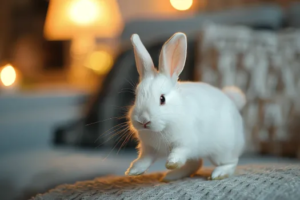
What to Do When a Rabbit Has a Poor Appetite
Rabbits normally eat well, so a drop in intake usually means something's wrong. Causes include a sudden feed change or low mood, and—more seriously—gut bloat, which shows as a swollen, painful, drum-tight belly. Mild cases respond to vegetable oil, garlic-vinegar, or radish juice; severe bloat needs a vet to draw off the gas.

Does Feline Panleukopenia Mutate?
Talk of feline panleukopenia (cat plague) mutating—riding on COVID variant fears—has no scientific basis. The real concern is how dangerous it is: highly contagious across cats and other felids, striking all ages (kittens under one year worst, with 70% infection and 50–60% death rates), and the parvovirus survives over a year in the kidneys. Vaccinate and act fast on vomiting, diarrhea, or blood in stool.

How to Prevent Rabbit Gastroenteritis
Rabbit gastroenteritis can kill within hours to days, especially in kits, so prevention beats treatment. Feed clean, regular, balanced meals; avoid spoiled or frozen food and over-rich concentrates; treat bloat early with vinegar or herbal tinctures; and keep the hutch dry and the rabbit moving to avoid constipation.