Search Results
5279 results for “Can f 5”

Why Is a Pomeranian Hard to Care For?
Pomeranians are prone to eye trouble, skin problems, and joint disease, need frequent coat brushing or they mat and shed, are smart but independent so they demand training, and cling to people so they risk separation anxiety when left alone. Caring for one means regular brushing, early training, portion control to avoid obesity, daily activity, routine vet checks with vaccines and deworming, and hygiene for eyes, ears, and teeth.

Treating Vomiting in Pets by Stage
Pet vomiting splits into stages: early on it is simple indigestion from spoiled food, fast eating, or a diet change, with normal energy; left alone it becomes gastritis (yellow or foamy vomit, then dullness and weight loss); severe cases are gastroenteritis with blood, weakness, and diarrhea. Treatment moves from gentle stomachics and probiotics to metoclopramide and ethamsylate for vomiting and bleeding, plus rehydration.
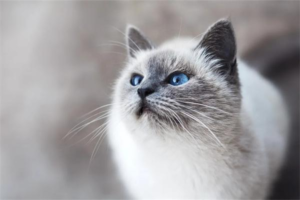
How to Avoid Static Shocks with Your Cat in Winter
Winter static on a cat comes from dry air (especially with the heater on), friction, and acidic blood from poor diet — and a shock can make the cat think you swatted it. Ease it by applying hand cream, wiping the coat with a damp towel, running a humidifier to keep humidity at 50–60%, using pet anti-static spray or comb, improving the diet with amino acids and fatty acids, and touching a table or wall first to discharge yourself.

Why Rabbits Grind Their Teeth and How to Help
Teeth grinding is normal for rabbits because their teeth never stop growing — and if they grow too long they can pierce the jaw and kill. Plenty of coarse hay and chew items wear them down, and an overgrown set needs a vet to trim.

Adjusting a Kitten’s Diet During Teething
Teething kittens eat poorly because swollen gums hurt, so switch to soft, easy-to-chew foods — soaked kibble, canned food, nutritional paste, or goat milk — and watch for retained 'double' canine teeth. Keep nutrition up so the kitten doesn't fall behind.
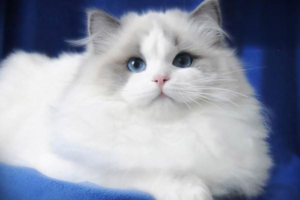
Why Has Your Cat Been Gone for Days and Not Come Home?
A cat that vanishes for days is often a sexually mature cat that slipped out to find a mate while in heat. Spaying or neutering around 5–6 months of age prevents both the escape behavior and the health risks — such as mammary and prostate tumors — linked to repeated, unsatisfied heat cycles. Watch for the telltale signs (restlessness, vocalizing, spraying, vulvar swelling) and have your cat fixed before the first heat if you don't plan to breed.

Handy Tips for Brushing Your Dog
Regular brushing boosts coat renewal, cuts loose fur, and improves skin immunity — but only if done right. Use a dog-only comb, brush with the coat's direction (never reverse on long hair), keep pressure light over sensitive areas, and trim or gently loosen mats rather than yanking. Use the session to check the skin for parasites, redness, or eczema.

How to Prevent Recurring Gastroenteritis in Dogs
Recurring dog gastroenteritis comes from primary causes (bad food, drug reactions, irregular feeding) or secondary ones (internal parasites and viruses like distemper, coronavirus, and parvovirus). Prevention centers on keeping trash away, noting food allergies, small frequent meals with a gradual 7-day food switch, timely vaccination, and regular deworming (monthly for raw-meat diets).

Why Does My Dog Have Soft Stool?
Soft stool in dogs almost always traces back to the gut — a chill or, more often, a diet slip. The usual suspects are too-frequent food changes, intestinal parasites, a greasy diet, active gastroenteritis, and simple overeating. Fixes range from a gradual 7-day food switch and deworming to probiotics, a lighter diet, and a 24-hour fast for binges — and human food should stay off the menu.

Dietary Don’ts for Beveren Rabbits
Beverens are herbivores that thrive on hay and pelleted feed — never human food. The key mistakes are abrupt feed changes, irregular roughage (which can cause cecal impaction), and a single unbalanced feed; aim for timed meals and a measured nutrient mix.