Search Results
479 results for “Calm environment”

Why Is Your Rabbit Dragging Its Hind Legs?
A rabbit dragging a hind leg won't recover on its own — get it to a vet for imaging to rule out a fracture, then look at calcium deficiency, nerve damage, or soft-tissue injury. Fractures often come from falls, improper handling, or cage-floor pressure, and frightened rabbits can hurt themselves bolting; keep the enclosure calm and safe. Prompt, cause-specific treatment is the only way to avoid permanent paralysis.

Why Is Your Rabbit Bolting Around the Cage?
A rabbit bolting around its cage is usually a demand (hungry, bored), a heat signal, illness, or fright — and a frightened rabbit races its heart and can even die from the stress. Move it somewhere quiet, soothe it with a soft voice or a treat, keep strangers and other animals away, and if it does not settle, have a vet check for sickness.

Feline Idiopathic Cystitis: What It Is and How to Help
Feline idiopathic cystitis, or stress-linked cystitis, is the most common lower urinary tract disease in cats, making up about a third of cases. It is diagnosed by ruling out infection and stones, then eased by cutting stress, using facial pheromones, and boosting water intake.

Helping Your Schnauzer Through the Stress Period
It is normal for a puppy to show stress after arriving home, but a few habits make the adjustment smooth: bond early through the first cuddles and daily feedings, keep the old food (soaked soft), and give it a quiet, warm, crate-like place to sleep. If mild signs like poor appetite, low spirits, or slight vomiting and diarrhea appear, stay calm, rule out infection, and let rest and a sensible diet do the work.

What to Do When Your Cat Is Not Affectionate
A cat's aloofness is shaped far more by its socialization period than by genes. Kittens that miss gentle, trusting contact with people between roughly 2 and 12 weeks — or that had a bad experience then — grow up wary. There is no quick fix; rebuilding trust is slow, especially over a difficult kittenhood, so focus on steady care, routine, and calming aids like music or pheromones.

Is Blood in Your Dog’s Urine Serious?
Blood in urine is often not an emergency — an intact female in heat or a male's mating injury can mimic it — but true hematuria points to the urinary tract. Blood at the start of the stream suggests a lower infection (urethritis, cystitis), at the end an upper one (bladder bleed, nephritis), and throughout with straining suggests the kidney or ureter; any whole-stream bleeding needs prompt vet care, and a urine sample from the first morning (within four hours) helps diagnosis.
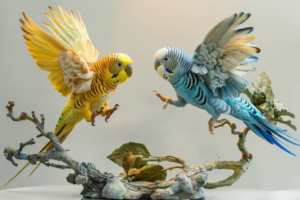
How to Treat Severe Feather Loss in Parrots
Heavy feather loss in parrots usually signals feather-picking syndrome, driven by parasites, skin infection, nutritional gaps, a poor environment, hidden illness, or stress. Treatment starts with pinpointing the cause — a better diet, a vet exam with skin scraping, or cleaner surroundings — and keeping the bird in a stable, calm home.

What to Do When a Dog Has Ringworm on Its Nose
Ringworm on a dog's nose is usually a fungal infection, so confirm it with a vet — a skin scrape and stain under the microscope — before treating. Manage it by isolating the dog, disinfecting the home, cleaning the spot and applying an antifungal spray and ointment, boosting nutrition, and letting it sunbathe.

What the Jingtianshou Looks Like — and How to Keep One
The Jingtianshou is described as a proud, powerful guardian breed with a huge frame (over 100 kg), a short broad muzzle, and a thick rust-and-black coat. Keep it in a clean, climate-controlled space, feed a mostly plant-based balanced diet to eight-tenths full, and vaccinate against distemper, parvo, and rabies.

Cat Blood in Urine (Hematuria): Causes and Care
Blood in a cat's urine usually points to inflammation or blockage in the urinary tract — most often chronic cystitis or urethral stones. Keep the litter box clean, push water intake, and choose low-ash, low-magnesium food; see a vet to confirm the cause.