Search Results
234 results for “Breeding control”
Does Your Dog Really Need Monthly Deworming? (Avoid One-Size-Fits-All)
Deworming frequency should follow the dog's age, health, and lifestyle, not a rigid monthly rule—dewormers are broken down by the liver and kidneys, and overuse burdens the body. Puppies start at 45 days and go monthly until 6 months; after that, internal deworming drops to every 3 months while external stays monthly. The schedule is flexible: a mostly-indoor dog in the cold season, when fleas and ticks breed less, can be treated less often, and a sick, pregnant, or senior dog may need a pause or lower frequency. Match the plan to real risk.

What Happens When a Budgie Is Overweight?
An overweight budgerigar suffers in health, mobility, and quality of life, and its social behavior and breeding ability can suffer too. Extra weight weakens flight, strains the joints (raising arthritis risk), and invites high blood pressure, heart disease, and fatty liver or diabetes from a high-calorie diet. Obese birds may also be bullied by flock mates and struggle to breed. Owners should manage weight with a balanced diet, fewer high-fat foods, more fiber, and ample exercise space with perches and toys. Only a healthy budgie shows its best colors and enjoys a full, happy life.

What Is Canine Tuberculosis
Canine tuberculosis is a chronic, slowly progressive infection caused by Mycobacterium tuberculosis complex bacteria. Dogs usually catch it from infected people, cattle, or cats through the air or contaminated food and water, and it can pass to humans as well. Early signs are vague - odd appetite, tiredness, and gradual weight loss - but as the disease advances, dogs may develop a persistent cough, digestive upset, abdominal swelling, or skin ulcers depending on which organs are affected. Because the infection forms hardened granulomas in tissues, it is difficult to cure, and open or positive cases are generally humanely euthanized to protect public health. Strict hygiene and prompt testing of sick animals are the main defenses.

Daily Hygiene and Disease Prevention for Dogs
Every disease has a cause, and good daily management can remove many of those causes before they harm your dog. The principle of prevention over treatment is central to responsible dog keeping. Food safety, clean living quarters, and a tidy environment are the three pillars that lower the cost of illness.

What Dog Breeds Are Considered Dangerous or Aggressive?
Dangerous dogs are breeds known for strong aggression, high fighting drive, and difficulty being controlled. Examples include the Tibetan Mastiff, Dogo Argentino, American Pit Bull, Bull Terrier, Saint Bernard, Caucasian Shepherd, Croatian Sheepdog, and more. Because these dogs can threaten people and other animals, they are not recommended for densely populated urban areas, where an out-of-control dog could cause serious injury. Most dogs, however, are deeply loyal to their owners, and dangerous breeds are no exception. Owning one is possible, but only with dedicated, professional training to keep the dog under control. Without the patience and time such training demands, it is best to think carefully before bringing a powerful breed home.

Hookworms in Dogs: Symptoms and Deworming
Hookworms are intestinal parasites named for their hook-like mouthparts, which anchor them to the gut wall. Only about an eighth of an inch long, they are hard to see, yet they drink large amounts of blood from tiny vessels and can inflame the gut, cause anemia, and threaten life, especially in puppies. Dogs catch them by mouth, through the skin, or from mother to pup via placenta and milk. Signs include pale gums, weakness, weight loss, and bloody diarrhea. Diagnosis is a fecal float, and treatment is regular deworming plus a repeat dose to kill newly matured worms.

What Is Storage Disease in Dogs?
Storage disease is a hereditary metabolic disorder where certain substances build up abnormally in the body's tissues. The two most reported forms in veterinary medicine are lysosomal storage disease and glycogen storage disease. It strikes dogs and cats, is very rare, and appears early in puppies and kittens because it is inherited. Nerve-related signs include poor growth, ataxia, seizures, exercise intolerance, behavior changes, and vision loss. Diagnosis uses blood, urine, imaging, biopsy, and enzyme tests; care is supportive, and affected dogs should never be bred.

Should You Spay or Neuter a Dog Even If It Has a Mate?
Neutering is worth doing whether or not a dog has a mate. Without it, unplanned mating and unlimited breeding are hard to prevent: males can grow suddenly aggressive and escape during heat, and they may mate with several females, while females keep cycling until pregnant. Frequent breeding also harms the mother—repeated litters weaken her, lower immunity, and shorten lifespan, and can compromise puppy health. For your dog's health and longevity, neutering is advisable even when a mate is present.

Common Genetic Diseases in Ragdoll Cats
Ragdolls are prone to two inherited diseases: hypertrophic cardiomyopathy, where the heart wall thickens and can cause sudden cardiac death, and polycystic kidney disease, where fluid cysts enlarge the kidneys. HCM peaks at four to eight years and affects about 6 percent of the breed; PKD strikes at three to ten and is avoided if both parents test clear. Neither can be cured, only managed with care, kidney-support diets and vet-guided mineral supplements, so DNA testing and routine prevention matter.
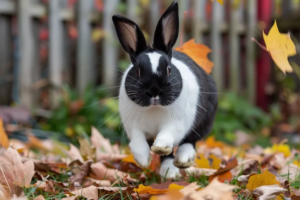
What Factors Affect a Rabbit’s Wool Production?
A rabbit's wool output depends on breed, sex, body weight, age, nutrition, and the season and temperature around it. Long-haired German-line rabbits usually produce the most fine wool, while females and neutered males tend to out-yield intact males, and rabbits between one and three years old are at their peak. Steady, balanced feeding with enough protein supports follicle growth, and cooler weather raises output. To boost production, choose strong breeding stock, use crossbred vigour, feed well, manage the environment, and harvest the wool on a sensible schedule.