Search Results
301 results for “Breed genetics”

Meet the Scottish Collie
The Scottish Collie (Collie) is an old herding dog from the Scottish Lowlands, beloved by Queen Victoria and famous worldwide as Lassie. Smart, devoted, and a tireless guardian of livestock, it’s among the most popular breeds.

Hargila-Line Pomeranian Price: What to Expect
Pure Hargila-line Pomeranians are rare and pricey in China, with American-line Poms running 10,000–30,000 yuan; for an elderly companion, a healthy, attractive Pom around 2,000–3,000 yuan is plenty. Insist on documented pure breeding — imported dogs should come with a pedigree certificate — and keep feeding schedules regular with bowls washed right after meals.

Why Cats Eat Strange Things (Pica)
Feline pica — eating non-food items — can stem from nutrient deficits, illness, poor management, or early weaning. It ranges from licking plastic and plants to swallowing fabric or suckling other animals, and some items (lilies, daffodils) are toxic, so a vet check and a calm home are the right first steps.

What to Do When Pets Eat Strange Things (Pica)
Pica — eating non-food items like string, tissue, stones, or dirt — is a nutritional or metabolic disorder, not just naughtiness. It risks mouth and gut injury, blockage, parasites, and organ failure, so see a vet, fix the diet, and add trace elements and deworming.

Pet Obesity: Causes, Risks, and Weight Control
Obesity means body weight roughly 30% over normal with excess fat, and it invites heart disease, arthritis, and diabetes while shortening life. Causes range from breed and hormones to overfeeding and too little exercise; the fix is less food, more movement, fewer treats, and balanced meals.

Cat Double Teeth (Retained Baby Teeth): Causes, Risks, Treatment
Retained deciduous teeth leave a second row that crowds the gums, traps food, and raises tartar, gum disease, and even kidney and heart strain. Causes include tight jaws, genetics, soft food, and calcium imbalance; fix it with chew toys and a vet extraction under anesthesia.

Cats for Busy Professionals: How to Make It Work
A full-time job is no barrier to a happy cat — pick a resilient mixed-breed (or adopt), and if your hours are long, take home two littermates so they keep each other company through the day. Adults need less hands-on care than kittens, and a neutered male is typically the calmest, cuddliest companion.

What You Must Know About Your Dog’s Coat
A dull, shedding coat usually traces to genetics (unfixable) or daily-care gaps. Fix it with low-salt food, weekly egg yolk and lecithin, regular brushing, pet shampoo only, and sunlight—while avoiding the big don'ts: human shampoo, a monotonous diet, over-bathing, and poor hygiene.
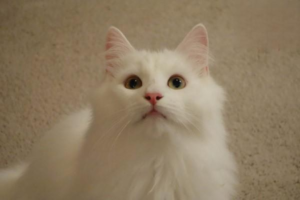
How to Get a Cat’s Coat Soft and Full
A glossy, fluffy coat starts with protein-rich food (kibble over 30%, or cooked meat), lecithin from egg yolks or salmon, and frequent brushing to boost circulation. Use pet shampoo only and bathe sparingly—and remember coat volume is also genetic, so no supplement overrides bad breeding.

Understanding and Preventing Kidney Stones in Senior Pets
Senior dogs and cats are prone to kidney stones, with causes running from meat-heavy, vegetable-poor diets and low water intake to genetics and breed — purebreds are likelier victims. Once formed, stones are hard to cure and quick to return, so prevention leans on more water, a kibble-based diet with less meat and sodium, and more vegetables; only severe cases need surgery, which carries real anesthesia risk in older pets and requires a pre-op blood panel.