Search Results
301 results for “Breed genetics”
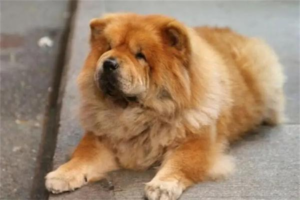
Why Chow Chows Stay Thin (and How to Help Them Gain)
A Chow Chow may stay slim because of a small appetite, high activity, efficient metabolism, a sensitive gut that handles rich food poorly, or an underlying disease such as parasites or malabsorption. Steady, nutritious feeding, moderate exercise, regular deworming, and checkups are the healthy path to a good weight.
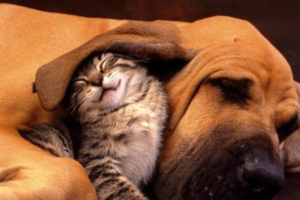
How to Help Your Cat Develop Stud Jowls
Jowls are mostly genetics, but the right support — high-quality food, plenty of protein, and neutering if you don't breed — can help a susceptible cat fill out. Siamese and Sphynx simply can't, and toms do it far more easily than queens.

Common Causes of Feline Obesity
Feline obesity is driven by age, genetics, neutering, and too little exercise, and it raises the risk of heat intolerance, heart disease, diabetes, and a shorter life. Prevention comes down to scheduled feeding, a lean high-protein diet, and daily play.

The Secrets to Helping Your Dog Live Longer
A dog's lifespan is shaped first by body size—small breeds age slower than large ones—and then by the care it gets, with diet at the center. The core idea is to curb chronic inflammation through food: cut excess omega-6 and starch, and add omega-3, antioxidants, and compounds like sulforaphane and polyphenols that fight cellular aging.
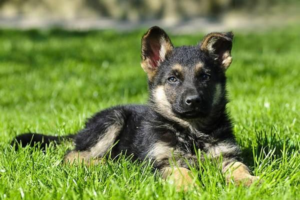
How to Prevent and Clean Dog Tear Stains
Tear stains form when excess tears overflow the nasolacrimal duct, and the iron in porphyrin turns them rusty red. Short-faced and light-coated breeds are most prone; manage them through grooming, diet, and treating the root cause like infection or allergy.

How to Help Your Cat Develop Cheek Fluff
Cheek fluff, a round full face, appears mainly in male cats of certain breeds like British and American Shorthair, driven by genetics and diet, usually from 11 months on. Feed low-salt quality food, add meat and supplements, keep it active, and note neutering before fluff sets in prevents it.

Why Do People Dock a Puppy’s Tail?
Tail docking was once done to prevent work or fight injuries, but today most pet dogs are docked purely for looks. It carries real risks — infection and bleeding if a rubber-ligature method is done at home — and if the only reason is appearance, it isn't worth it.

Do Dogs Ever Need Braces?
Malocclusion in dogs usually comes from genetics or retained baby teeth, and only needs correction when it stops normal eating, traps plaque, or injures the mouth. Most cases are harmless and need nothing more than good dental care—though show dogs may be docked points for an off bite.
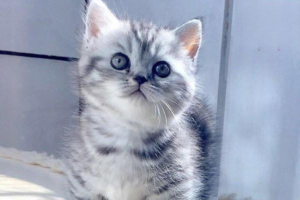
Causes and Symptoms of Atopic Dermatitis in Dogs
Atopic dermatitis in dogs comes from internal factors (genetics, hormones, allergic predisposition) and external ones (pollen, dust, certain foods, flea bites, drugs). It shows as intense itch, redness, and rashes, often first around the eyes, paws, armpits, and lower back.

How to Treat Arthritis in Dogs
Arthritis shows as lameness, swollen joints, and pain on touch or in cold weather, and favors large, senior, or previously injured dogs. Manage weight, keep exercise moderate, feed stage-appropriate food, and add glucosamine and chondroitin — there is no cure, only relief.