Search Results
301 results for “Breed genetics”
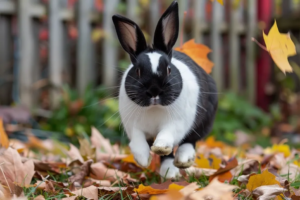
Why Did My Rabbit’s Ears Suddenly Flop?
A rabbit suddenly developing 'airplane ears' can come from mixed breeding, disease, or injury. If the ears just flop with no discharge, odor, or trauma, it is likely genetics, since a non-pure upright bloodline droops over time; this is harmless. But if flopping comes with more ear wax, a foul smell, or head shaking, ear mites are likely; isolate the rabbit, disinfect the space, and treat. Rough handling that pulls the ears can also cause it, so learn to hold a rabbit correctly to avoid injury.
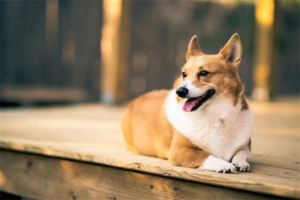
Why Do Dogs Get Cavities?
The most common causes of dog cavities are poor diet and poor dental cleaning, with age and genetics also raising risk. Once found, a decayed tooth is usually extracted so it does not harm neighboring teeth, though mild cases may be filled and elderly dogs may keep the tooth if anesthesia is risky; follow your vet's advice. Prevention is key: healthy food, regular brushing, and routine dental checks keep the mouth sound.
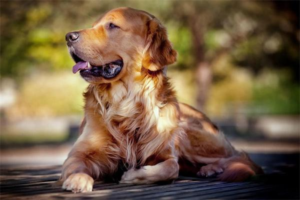
Why Does a Golden Retriever’s Nose Lose Color?
A Golden Retriever's nose can fade for many reasons: too little sunlight, cold weather, aging, genetics, poor nutrition, allergy, or a past injury. Cold-season and genetic fading are normal and need no action, and senior dogs simply show natural aging. But if fading comes from lack of vitamins and minerals or from allergy, step in to prevent bigger problems. Provide sun time, a balanced high-quality diet, and see a vet if allergy is suspected.
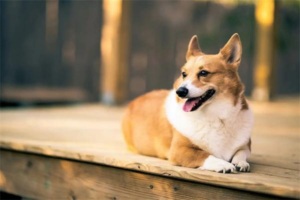
What Causes Eyelid Entropion in Dogs?
Dog eyelid entropion comes in congenital and acquired forms. Breeds like Shar-Pei, Chow, Great Dane, miniature Poodle, Saint Bernard, and Labrador are prone to the congenital type because of facial structure and genetics. Acquired entropion follows conjunctivitis, foreign irritation, ingrown or double eyelashes, dry eye, or corneal ulcers, and shows as spasmodic muscle contraction; seniors may get it from lost tone. Most cases ease once the cause is removed, but if not, eyelid surgery is likely needed.

Why Is a Shetland Sheepdog’s Coat Dry and Brittle?
A Shetland Sheepdog's dry, brittle coat can come from genetics, poor nutrition, bad grooming, or the environment. Lack of balanced nutrition starves the fur, and too much salty or greasy food harms coat and kidney health. Frequent washing or human shampoos strip the coat, so use dog-specific products. Keep the diet balanced with quality kibble plus eggs, beef, or canned food, add lecithin for coat health, ensure clean water, and control dry air and chemicals. Genetics cannot be reversed, only managed with care.
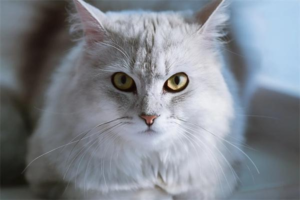
Why Your Cat Eats But Stays Thin
A cat that eats plenty yet stays thin can point to a weak digestive system, high activity, picky eating, illness, or genetics. If the cat is not naturally slender but eats well without gaining weight, a vet check is wise to rule out problems and adjust diet. Some cats are simply born lean and stay healthy that way, which is no cause for worry. Either way, forcing extra weight is unhealthy.
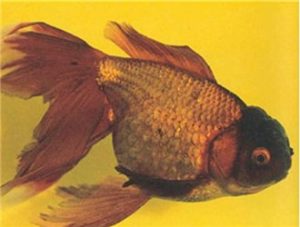
Brown Oranda with Curled Opercula
In goldfish, curled opercula is usually a disease sign, but the Brown Oranda with Curled Opercula has gill covers that grow everted from inside out like a wound - a hereditary variation.

Zebrafish
The Zebrafish (Danio rerio) is a small, gentle, hardy freshwater fish with blue-and-silver stripes. Famous as a model organism in genetic and medical research, it is also an easy, community-friendly beginner fish.
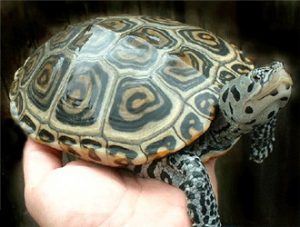
Northern Diamondback Terrapin
The Northern Diamondback Terrapin (Malaclemys terrapin terrapin), the nominate subspecies, is a semi-aquatic turtle native to the brackish estuaries of the U.S. Atlantic coast. Named for the diamond patterns on its shell, it is increasingly popular, reasonably priced, and not hard to keep — but it needs brackish water.

Anglo Mink
The Anglo Mink is the domesticated pet ferret (Anglo / Marshall lines) kept as a companion animal. Intelligent, gentle, and easy to litter-train, it is heat-sensitive and mischievous when unwatched, needs a large wire-free cage and 4+ hours out daily, and eats a meat-based diet (30–35% protein, 15–20% fat). Lifespan 8–12 years.