Search Results
301 results for “Breed genetics”

What Is Cat Asthma and What Causes It?
Cat asthma is a common respiratory condition marked by coughing, wheezing, and difficulty breathing, triggered by allergies, air pollution, genetics, stress, or diet. Keep the home clean and well-ventilated, choose quality food, and seek veterinary care promptly if symptoms appear.
Hair Loss and Excessive Urination? Symptoms of Hormonal Imbalance in Cats
Feline hormonal (endocrine) imbalance is not one disease but a sign of disorders such as hyperthyroidism, diabetes, Cushing's syndrome, or hypothyroidism. Hyperthyroidism brings ravenous appetite with weight loss, thirst, and overactivity; diabetes causes the 'three polys plus weight loss' and weak hind legs; hypothyroidism shows as lethargy, weight gain, and a dry, thinning coat. See a vet for blood and urine tests if you notice these signs.

Why Is My Dog Losing Hair Around the Ears?
Hair loss around a dog's ears can stem from normal shedding, genetics, or poor nutrition, or—more seriously—a skin disease, parasites, or an ear infection. Watch for itching, redness, or discharge, and seek a veterinary diagnosis before treating.

Why Are Some Stray Cats Friendly
A cat's personality is shaped by genes and environment. Strays face hardship and stay alert, yet some warm up to people — often because they were treated kindly, were once someone's pet, or are simply born sociable. Treat all strays with care.
Does a Cat Need ‘Smart Hairs’ to Be Smart?
A cat without ear-tuft 'smart hairs' isn't less smart, and a broken tuft won't lower its IQ — those hairs are just ear furnishings tied to coat length and genes, and they help sense space and air currents. Real intelligence shows in problem-solving, adapting to change, and reading human cues. Every cat is smart in its own way.

When Does a Dog Enter Old Age?
Most dogs are considered seniors after about age 7, though the exact timing varies by breed, size, and genetics — large breeds often age around 7–8, small breeds closer to 10. Senior dogs need tailored diet, joint care, dental attention, gentle exercise, and regular checkups.

Signs of Social Anxiety in Dogs
Dog social anxiety shows as tucked tail, trembling, and hiding from new people, places, or dogs; some over-react with aggression or frantic excitement. Manage it with early socialization, a long lead to control distance, positive rewards, a calm low-noise home, and a pro trainer for severe cases.

Why Do Some Cats Get Less Cute as They Grow?
A cat's looks can change with genetics, normal growth, illness, poor nutrition, stress, or age. Some breeds — tuxedo, white, Siamese, orange tabby, and Sphynx — are especially prone to 'growing out' of their kitten cuteness, but good care and prompt vet visits protect both health and looks.
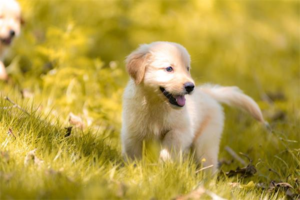
Causes and Signs of Dog Hyperactivity
Canine hyperactivity may stem from genetics, low blood phospholipids, or long-term lack of socialization and exercise. Signs include constant over-excitement, sensitivity and impulsivity, and poor focus. Ensure regular exercise and social contact to help prevent it.

What to Do About a Dog’s Herniated Disc
Intervertebral disc disease (IVDD) comes from injury, poor exercise, genetics, or lumbosacral abnormalities, and is common in dachshunds, chihuahuas, and corgis. Signs include reluctance to move, abnormal gait, and an arched back. See a vet promptly; treatment is medical or surgical.