Search Results
301 results for “Breed genetics”

Do Dogs Favor One Person in the Family?
Dogs can favor a family member—often the kindest or highest-status person—but it depends on temperament and environment. Independent dogs may not single anyone out, while gentle, clingy ones treat the owner as their security and are quicker to bond. The owner's behavior matters most: consistent care, play, and positive experiences earn a dog's preference.

What to Do About Your Dog’s Cherry Eye
Cherry eye is linked to genetics and eye inflammation; breeds like Bichon, Pomeranian, and Chihuahua are prone. It shows as a red lump in the inner corner. Mild cases may recede with drops, but most need surgery to tuck the gland back and avoid dry eye.

What Causes Arthritis in Dogs?
Arthritis in dogs is driven by genetics, obesity, improper exercise, and aging. Breeds prone to joint dysplasia—such as Saint Bernard, German Shepherd, and Pomeranian—are at higher risk, while excess weight and hard exercise wear down cartilage, and older dogs lose bone density. Prevention centers on weight control, joint-friendly low-impact exercise, warmth, paw traction, and regular checkups.
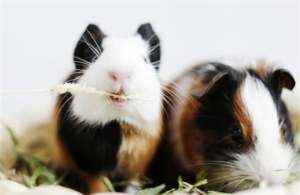
How Big Do Guinea Pigs Get?
Adult guinea pigs are 25–38 cm long and weigh 500–1000 g, males slightly larger. Size is shaped by environment, diet, and genetics. With good care, lifespan averages 4–8 years and can exceed 10.

What to Do About a Cat With a Difficult Personality
A cat's personality is shaped by genetics, environment, and the owner's care. Give it enough affection, a safe and comfortable home, consistent training with rewards, and build trust early through socialization to make it more friendly.

Symptoms and Treatment of Nasal Tumors in Dogs
Nasal tumors in dogs have many causes — age, genetics, environment, viruses, or other disease — and older dogs are most at risk as their immunity fades. Beagles and Poodles are among the higher-risk breeds. Signs include bloody discharge, congestion, sneezing, double vision, and facial numbness. See a vet promptly for diagnosis and staging-based treatment.

Why Do Dogs Develop Osteochondrosis?
Osteochondrosis in dogs is linked to genetics, rapid growth, and body weight, as well as the overall health of the joints. Fast-growing, heavy puppies are the most likely to develop it. The main signs are stiff joints, pain, lameness, and an unsteady gait. Mild cases are usually managed with medication, while severe cases may require surgery.
What is the typical lifespan of a British Blue cat?
A British Blue lives about 15 years on average, up to 18-20 with good care. Some purebreds carry hereditary disease and live shorter; annual check-ups help.

What to Do When a Hamster Is Afraid of Its Owner?
A hamster fears its owner mainly from environmental change, rough handling, timid personality, or stress. Win its trust with a quiet hiding-rich cage, gradual contact from a distance to food luring, gentle touch, scheduled feeding, and a calm environment—always with patience.

Why Do Hamsters Get Tumors?
Hamster tumors stem from genetics (up to 50% risk over age 2), poor diet, environmental carcinogens, infections, and obesity. Common types include lymphoma, hemangioma, skin fibroma, and lipoma—each with tailored treatment from radiotherapy to surgery. Keep your hamster's environment and diet clean to lower risk.