Search Results
404 results for “Behavior, Training”

Dog Training Basics: Shaping Behavior
Shaping builds a new behavior step by step. First, the goal must be feasible and workable for the breed—teaching a Chihuahua to bite-grip makes no sense as a pet but fits a hunting dog, and tiny breeds need small-dog methods. Set accurate, flexible evaluation standards (reward only the target sound). Reward within about 1.5 seconds so reinforcement lands; plan steps that are neither too big (dog loses confidence) nor too small (slow). Stay adjustable, and make the result adaptable across environments like parks and strangers.
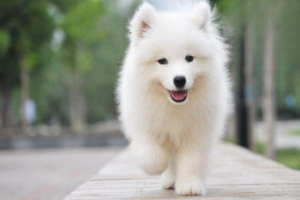
Should Dog Training Start When Young?
We're told good habits start young — true for pet dogs too. Every dog error reflects its owner; some go to extremes thinking freedom means ignoring bad behavior.

When Is the Right Age to Start Training a Dog
Everyone wants an obedient dog that sits when told and heels on command. At what age is training easiest and most suitable?

A Training Guide for Puppies
More owners value early training; a well-trained pet obeys. Puppy education covers socialization, handling, grooming basics, social skill and habits (toilet, alone time).
When should I start training a Dogo Argentino?
Basic training can begin at around 3 months, focusing on socialization, name recognition, and simple commands like 'sit' and 'stay.' Use patience, a gentle tone, and rewards for best results.

Training a Dog Not to Eat Things Off the Ground
Some greedy dogs sniff and lick everything on walks and will gulp down bones or trash, risking illness or poisoning. This step-by-step training plan teaches your dog to leave ground food alone using treats, leash control, and gradually increasing difficulty.
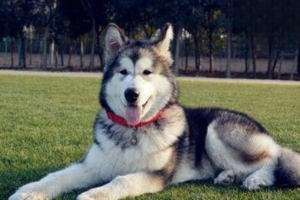
Key Techniques for Training Your Dog
Good dog training relies on four balanced techniques: lure with food to build interest, apply moderate pressure when a dog resists, correct unwanted behavior promptly and seriously, and reward correct actions right away with food, praise, or affection. Match the method to the dog's temperament and the task.

Dog Training: Methods and Tips
Well-behaved dogs are made through training. Train during the ideal window of 3–6 months in a distraction-free space, use short, consistent commands, keep sessions to 10–15 minutes, and reward correct behavior with praise or treats. A toy held at eye level can refocus a distracted puppy.

Dog Ignoring Your Commands? 90% of the Problem Is Training
When a dog 'plays deaf,' it usually hears you fine — selective obedience is canine intelligence weighing costs and benefits. Causes include too-hard commands, poor focus, a bad experience tied to the cue, or no reward. Fix it by rewarding compliance instantly, training in low-distraction settings, keeping cues consistent, and being the more interesting option.
At what age can you start training a small Teddy?
You can start simple indoor training at 2-3 months - recall, paw, sit. After vaccinations, add outdoor training like loose-leash walking and not picking up food. Reward good behavior with treats.