Search Results
11 results for “Barn temperature”
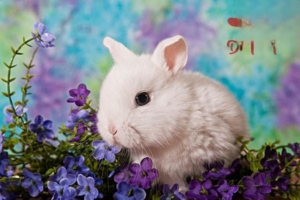
Winter Care for Rex Rabbits
Winter's cold, short days, and scarce greens threaten rex rabbits with illness and poor breeding, so hold the barn above 10°C (below 5°C is life-threatening), keep it dry and ventilated, add light, and warm kits. Feed more energy-rich food — roughly 23–25% of the diet — with nighttime meals at 60% of daily intake and some carrot or greens to avoid vitamin lack.

Occurrence Patterns of Rabbit Infectious Rhinitis
Infectious rhinitis in rabbits follows clear, predictable patterns. Incidence rises with higher stocking density, certain cage arrangements, the rearing method, the rabbit's breed and age, and seasonal temperature swings. Understanding these patterns helps breeders reduce outbreaks through better housing and management.
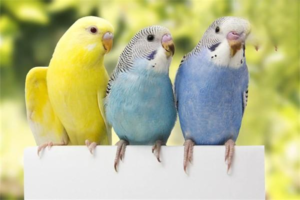
What Nutrients Do Parrots Need?
Parrots need ample nutrition to survive and breed—protein, fat, vitamins, carbs, minerals. Only with enough can they meet survival, growth, and breeding needs. Our team details the required nutrients and their roles.

Rosy-faced Lovebird
The Rosy-faced Lovebird is easily recognized by its head color, very similar to a peach. In the wild it often damages farmers' hard-grown crops, so it is driven away by local farmers.

Java Sparrow
Wild Java Sparrows have plain plumage, but selective breeding has produced many color variants. Now found worldwide, the Java Sparrow has been bred into various new colors and has become a world-famous cage bird.

Zebra Finch
The Zebra Finch, also known as the Pearl bird, is small and exquisite with a charming appearance and a soft, gentle call; its looks are as appealing as its name, and its plumage resembles the color of pearls. China imported it from Australia in the 1970s and 1980s, and has since bred varieties such as camel, white, and pied.
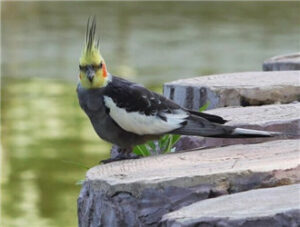
Cockatiel
The Cockatiel (Cockatiel) goes by different names in different regions; in Hong Kong and Taiwan it is often called the Crested Parrot. The Cockatiel is one of the most common medium-sized parrots in the world. Hand-reared young birds are very lively and love to bond with their owners.

Serinus canaria
The Canary (Serinus canaria) is prized for its beautiful, varied plumage and sweet, melodious song, and is regarded in China as one of the most elegant cage birds. Wild canaries differ noticeably in color from captive-bred ones.

Cockatiel: Habits and Breeding Performance
The cockatiel is a quiet, musical parrot that is hardy, disease-resistant and easy to keep, but needs a metal cage (it chews wood) and a varied diet. Its breeding season runs August to December, with 4–7 white eggs incubated about 18–20 days, and it can raise 3–4 clutches a year. Stop breeding in hot July–August and in old age, and keep the environment quiet and warm during incubation.
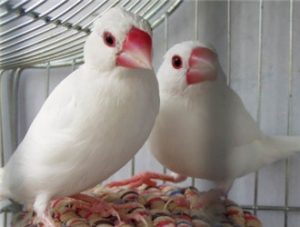
White Java Sparrow
The white Java sparrow is a captive white color form of the Java sparrow (Padda oryzivora), developed in Japan. The chick is grey-backed and turns snow-white as an adult, with red bill and feet. Gentle and people-friendly, it is a popular beginner hand-tame bird, though temperamental toward other birds.