Search Results
1856 results for “Bacterial infection”
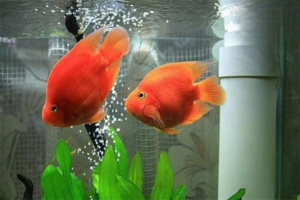
What Causes Swim Bladder Disorder in Blood Parrot Cichlids and How to Treat It?
Swim bladder disorder is common in blood parrot cichlids; signs include lying on the side or upside down, floating or sinking. What causes it and how to treat it? Learn with our team.
How to Treat Fin Rot in Blood Parrot Cichlids?
Keepers know blood parrot cichlids demand high water quality, and poor water is the top cause of disease, including fin rot. How to treat it? Our team explains causes and treatment.

Can Sunken Arowana Eyes Be Saved?
Sunken arowana eyes can be saved. Raise the temperature to 30-32 C, change water often, and add oxygen; use oxytetracycline only if it doesn't improve.

What Are the Most Common Turtle Diseases?
Turtles are hardy, but they still get sick, especially with poor water and feeding. The most common illnesses are colds, enteritis, mycosis, and soft-shell disease, each with distinct signs and treatments ranging from antibiotics to diet fixes.

Is Redness at the Corner of a Cat’s Eye a Tear Stain?
Redness at a cat's eye corner isn't always tear stains - it can be discharge, infection, injury, or diet-related heat. Learn the four causes and how to treat each.

Why Won’t My Red-Eared Slider Open Its Eyes?
Cloudy eyes, white discharge or failure to open the eyes in a red-eared slider usually means white-eye disease (an eye infection common in aquatic turtles), caused by eye injury or dirty water. Treat mild cases with nitrofurazone baths; also rule out low temperature, new-environment stress or other infection. Keep water clean and at about 25°C.

Turtle Cold: Symptoms and Treatment
Turtle colds show as dull eyes, weeping eyes, runny nose, lethargy and white material at the mouth; severe cases develop pneumonia (crusted nostrils, wheezing). Treat by severity — isolation and warmth for mild, antibiotic (gentamicin/oxytetracycline) baths for moderate, and amoxicillin by weight for severe — keeping the enclosure at 30–32°C.
How to Keep Hamsters Cool and Prevent Heatstroke in Summer
In sustained high temperatures hamsters can suffer heatstroke. Use cooling bedding such as corn cob or cat litter instead of heat-retaining wood shavings, place the cage in a cool, well-ventilated room, and add a bowl of water or chilled stones to lower the ambient temperature. Make sure your hamster always has plenty of water to drink.

Common Factors That Make Arowana Sick
An arowana's health is closely tied to how it is kept. Poor feeding, fright, bad water changes, fighting, external infection, and overall poor water quality are the main triggers of illness. The single most important preventive measure is stable, clean water—use a filter and change water on a schedule.

What to Watch for When a Turtle Sheds Its Shell
Shell shedding is normal but takes patience: let flakes fall naturally, boost nutrition and calcium, and keep the habitat clean. Shedding has no fixed cycle.