Search Results
1856 results for “Bacterial infection”

Symptoms and At-Home Medication Treatment for Canine Distemper and Feline Panleukopenia
Distemper disease is a highly contagious viral disease with a high fatality rate, usually showing symptoms such as high fever, vomiting, diarrhea, loss of appetite, lethargy, and increased eye and nasal discharge. Common pets such as dogs and cats may be infected with the distemper virus, and the most effective way to prevent viral infection is vaccination. Today we explain knowledge about distemper disease around canine distemper and feline panleukopenia.

What to Do When Dogs and Cats Have Diarrhea? Keep These Fast Antidiarrheals on Hand
The medical term for diarrhea is diarrhea, which usually refers to changes in bowel habits and stool characteristics, generally manifested as frequent defecation, increased stool volume, loose stools, and bloody stool. Most diarrhea in dogs and cats is caused by gastrointestinal discomfort, but it may also be a concurrent symptom of other diseases. Today we discuss knowledge about diarrhea in dogs and cats.

Can a Cat’s Colitis Diarrhea Heal on Its Own?
In the early stage of chronic colitis, cats have repeated difficulty defecating and may appear to heal on their own for a while, but later develop soft stools, diarrhea, and blood in stool, which is usually difficult to heal on its own. So how should feline colitis diarrhea be treated if it cannot heal on its own? Today we explain in detail!
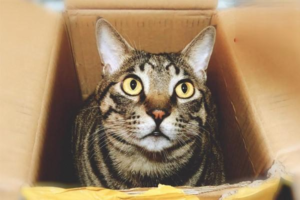
What Causes Bloody Stool From Cat Colitis
Bloody, foul cat stool usually means colitis—from diet change, foreign objects, bacteria, parasites (coccidia, Giardia), drugs, or allergies. Treatment pairs diet and probiotics with targeted antiparasitic, antiallergy, and antibiotic care.
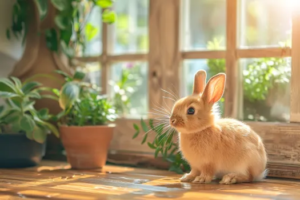
Factors That Influence Rabbit Foot Dermatitis
Rabbit foot dermatitis (sore hocks) is driven by genetics, body size, hutch dampness, and cage-floor construction. This article breaks down each risk factor and the clinical signs to watch for.

What Medicine Helps a Cat That Wheezes Often?
Recurring wheezing in cats usually means feline asthma — a chronic, allergy-driven bronchitis. Learn the common triggers and the drug options: oxygen, steroids, bronchodilators, antibiotics, inhalers, and aminophylline.

Oily Tail With Blackheads? It May Be Stud Tail
An oily, blackhead-covered tail that won't wash clean is usually stud tail—a hormone-driven skin condition in cats. Learn to spot early and mid-stage signs and the treatment (clip, medicated wash, spray, collar).

Rabbit Vesicular Stomatitis
The vesicular stomatitis virus causes rabbit vesicular stomatitis, living in sick rabbits' saliva and necrotic oral tissue; just-weaned kits are most at risk. Incubation is 5 to 7 days. Signs: red mucous membranes, vesicles on lips, tongue, and palate that become pustules then ulcers with heavy drooling; secondary bacteria cause foul necrosis. Mortality exceeds 50%. Differentiate from chemical or mold-induced stomatitis, which is not contagious.
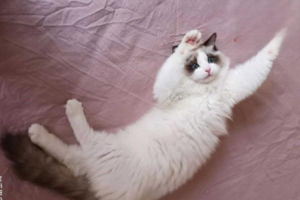
Does Stud Tail Recur and How to Prevent It
Stud tail tends to recur because it is hormone-driven; without fixing the hormonal source, treatment drags on. Prevention centers on appropriate bathing, regular grooming, neutering, and early topical medication.

What Causes Stud Tail in Cats?
Stud tail is an endocrine skin condition in cats—excess male hormones drive oily blackhead-like lesions on the tail base, chin, and back. Learn the causes, common breeds, and prevention (neutering, diet, exercise, cleaning).