Archive
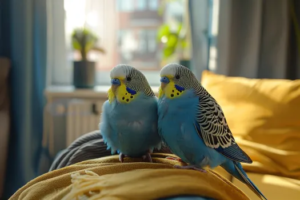
Are Parrots Sensitive to Summer Heat?
Parrots come from tropical and subtropical regions and tolerate warmth, but above about 35°C they can overheat, showing rapid breathing, wings spread wide, fluffed feathers, and a thirst for water. Dehydration and heatstroke are real risks, so keep the cage cool, shaded, and well supplied with water and moisture-rich food.
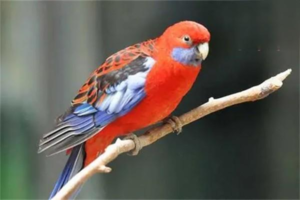
How to Tell If a Parrot Has Trichomoniasis
Trichomoniasis, a flagellate protozoan, is a leading cause of chick death—about 80% of birds carry it without getting sick. Signs include poor appetite, ragged feathers, and yellow vomit; diagnosis is a microscopy or PCR test at a vet. This article covers symptoms, diagnosis, and treatment.
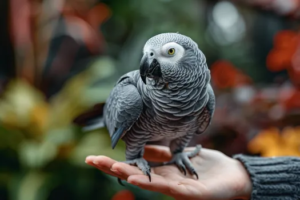
How to Treat Trichomoniasis in Parrots
Parrot trichomoniasis is a widespread protozoal disease also seen in pigeons and quail. Treat with dimetridazole or ronidazole in drinking water, plus metronidazole for 7–10 days with liver support. Prevention means clean cages and separating chicks from mothers. This article details the care.
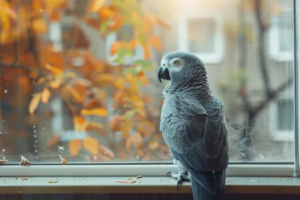
Symptoms of Trichomoniasis in Parrots
Parrot trichomoniasis shows as throat, navel, organ, or gut forms; signs include yellow mouth spots, weight loss, breathing trouble, and death in 4–8 days if untreated. Treat with dewormer plus electrolytes, separated feeding, or oral medication. This article covers symptoms and treatment.

How Light Affects Parrots
Light drives a parrot's health and breeding: it supports vitamin D, metabolism, and immunity, and longer days trigger breeding. Give direct (not through-glass) sunlight or a full-spectrum lamp, aiming for 10 hours daily and over 15 to boost reproduction.