Archive

Cat Trichomoniasis: Soft Stools, Diarrhea, and What to Do
Cat trichomoniasis is caused mainly by Tritrichomonas foetus, a protozoan that lives in the large intestine and triggers colitis — think frequent soft, bloody stools. It spreads easily via the fecal-oral route, so isolate sick cats and disinfect. The main treatment is ronidazole plus gut support; most cats recover within 2 years.

Is Feline Leukemia Contagious? What Every Cat Owner Should Know
Feline leukemia (FeLV) is contagious — but only between cats and other pets, never to people. It's a retrovirus spread through saliva, nasal fluid, urine, and milk that weakens the immune system. There's no cure, so prevention matters: vaccinate kittens, keep cats away from strays, and test and isolate any new cat for two weeks.

Should Rotten Teeth in Senior Dogs Be Extracted? Risks and Aftercare
Rotten teeth in senior dogs cause constant pain and can let oral bacteria spread through the blood to the heart, kidneys, and liver. Severely decayed or infected teeth are usually best extracted. Before surgery, run bloodwork, biochemistry, and a heart ultrasound to plan safe anesthesia; recovery takes about 7–10 days with soft food and mouth care.

Why Do Cats Love to Drink Your Foot-Soaking Water? (And Why You Should Stop Them)
Cats are drawn to foot-soaking water mainly because moving water fascinates them, they are endlessly curious, and they seek comfort in their owner's scent. But the water may contain bath additives, essential oils, or bacteria that can upset their stomach. Dump it out right after use to keep them safe.

Why Is the Fur Above Your Cat’s Eyes Thinning? It’s Often Normal
A bald patch above a cat's eyes is usually normal 'preauricular alopecia' — that brow area overlies scent glands and thins naturally, more so with age or in breeds like Siamese and Maine Coon. Worry only if the skin is red, scaly, or scratched: then rule out mites, ringworm, allergies, or thyroid/adrenal disease with a vet skin scrape.

Is Your Dog Always Tearful? Watch Out for Ingrown Eyelashes
An ingrown eyelash (distichiasis) curves inward and constantly rubs the cornea and conjunctiva. It's common in flat-faced breeds (Pekingese, Pug, Bulldog), long-haired breeds (Maltese, Shih Tzu), and seniors, causing chronic tearing, tear stains, conjunctivitis, keratitis, and even corneal perforation and vision loss. A few lashes can be plucked; many need electrolysis, cryotherapy, or entropion surgery.
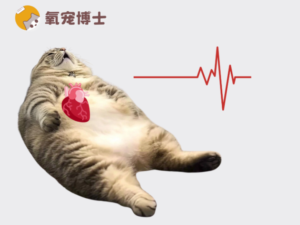
What Is a Normal Heart Rate for a Cat?
A healthy adult cat's heart rate is 120–160 beats per minute (kittens up to ~200; seniors and large breeds 140–160). Measure it via the inner foreleg pulse or a stethoscope over the left chest when the cat is calm. Persistently fast, irregular beats with coughing or low exercise tolerance can mean heart disease (e.g., hypertrophic cardiomyopathy); seek a vet if the resting rate stays above 180 or below 100.

Why Is My Dog’s Eye Turning Blue? Watch for These Diseases
A blue eye can mean infectious canine hepatitis ('blue eye'), corneal edema, or cataracts (often blue-white); in a 6–7-year-old senior whose vision seems fine, it may just be nuclear sclerosis from aging. Most eye diseases can't be judged by eye alone, so the right move is a vet visit — tonometry, slit-lamp, and fluorescein staining pin down the cause.

Can Feline Infectious Peritonitis (FIP) Heal on Its Own? The Answer Is Clear
FIP almost never resolves on its own. It arises when feline coronavirus (FCoV) mutates into a form that rides macrophages and attacks small blood vessels — an immune-mediated vasculitis. Untreated, 95% of cats die within 1–3 months; the rest merely harbor a latent virus that relapses when immunity dips. With prompt treatment (GS-441524), cure rates now exceed 80%.

Dog Bloated After a Meal? It Could Be Gastric Torsion — Only 4 Hours to Save Them
Acute gastric torsion in dogs, medically called GDV, twists the stomach like a towel so both ends seal shut, causing repeated dry heaves, a swollen belly, and labored breathing. It moves fast — often under 4 hours from onset to life-threatening — so rush to a vet at once. Treatment relieves pressure by tubing the stomach and gives IV fluids to correct shock.