Archive
Guinea Pig Care Basics
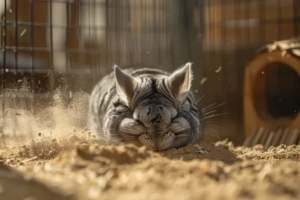
Guinea pigs are rodents, not pigs, and need steady warmth around 20°C, a dry enclosed pen with hideouts, and daily cleaning. Feed a balanced mix of dry staples (corn, sorghum) and vegetables or fruit, little and often. Watch for vitamin-deficiency swelling and stress-related bald patches, and isolate and treat any sick animal promptly.
What Do Guinea Pigs Like to Eat, and What’s Forbidden?
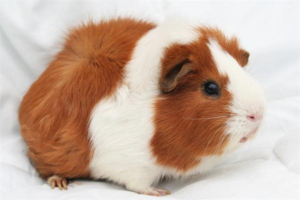
Guinea pigs eat formulated feed, grass (timothy as staple, little alfalfa), and veggies—but their gut is sensitive. Skip spicy vegetables, too much watermelon or banana, and chocolate/caffeine/salty human snacks to avoid illness and obesity.
How to Tell Male and Female Guinea Pigs Apart, and Which Is Easier
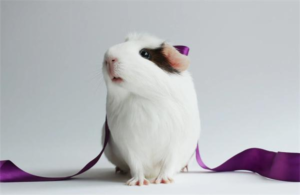
Sex guinea pigs by the visible testicles in adults or the Y-groove and pressed genital in pups; males are bigger, smellier, and bolder, females calmer and easier. Separate them after 3 months unless you want litters.

How Long Do Guinea Pigs Live, and How to Help Them Live Long
Guinea pigs live 3–9 years (often ~5 in China). For a long life: a big, clean, well-ventilated cage; daily grass for teeth and gut; controlled feed (less alfalfa, fewer treats); occasional warm baths; and daily exercise outside the cage.

Guinea Pig Care During the Spring Festival
Holiday care is much the same, but cold weather and firecrackers need extra attention. Here are the tips.

Tips for Keeping Guinea Pigs Together (Co-Housing)
Guinea pigs are social and suit co-housing, but opposite-sex pairs and many details need care. Here are the points.
Guinea Pig Physiological Characteristics
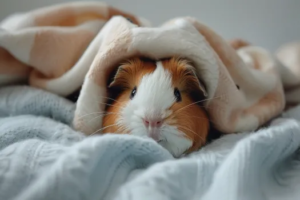
Guinea pigs cannot make their own vitamin C and need it from food - deficiency causes scurvy (hind-leg weakness, common in winter). They are sensitive to certain sounds and pathogens, tolerate low oxygen, and have a 62-72 day pregnancy with postpartum estrus. Normal temperature is 37.8-39.5°C and lifespan about 8 years.

Why Guinea Pigs Develop Malocclusion (Bad Bite)
Guinea pig malocclusion is common because their teeth grow continuously and need constant wear. Signs include trouble chewing or swallowing and reduced intake; diagnosis is by exam or imaging under anesthesia. Treatment is dental burring to restore the bite - extractions are nearly impossible. Feed high-fiber food and schedule checkups.

How to Keep Your Guinea Pig Warm During Seasonal Changes
Guinea pigs are comfortable at 20-28°C; below 20°C they need warming. Seasonal swings bring sudden cold snaps, so keep them indoors, block drafts with towels or boxes, raise the cage off the cold floor, and use heating pads or blankets if it gets colder.
Guinea Pig Biological Traits and Characteristics
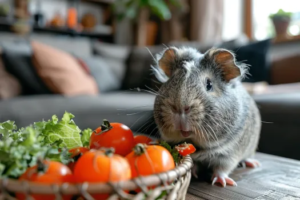
Guinea pigs are social, gentle prey animals that need dry, warm, clean housing and a high-fiber vegetarian diet. They are sensitive to smell, sound, and temperature; prone to pneumonia in poor air; and unusually sensitive to antibiotics such as penicillin. Their long pregnancy ends in fully developed pups that walk within an hour.