Archive

Is Your Cat Hard to Bond With? (Signs and What to Do)
A cat that seems impossible to bond with is rarely born defiant—it usually shows clear behavioral clues and a hidden reason behind them. Such a cat refuses close contact, pretends not to hear its name, guards its food, claims a corner as territory, hides constantly, or even tries to escape. The causes range from a strong independent nature and sex differences to a stray past marked by abuse or the mood swings of an unspayed cat. The fix is patience: give the cat space, build trust through food on a fixed schedule, avoid sudden stimuli, and consider pheromone sprays. Most 'untamable' cats will gradually accept you when treated with respect.
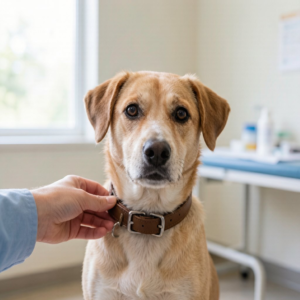
What Happens When You Give Your Dog Away Midway Through Its Life?
Rehoming a dog partway through its life is more common than people admit, yet few realize how deep the psychological wound can be. Most dogs show stress responses such as refusing food, over-grooming, or night barking, and loyal breeds may stop eating even during short boarding. Over time, the trauma can make a dog timid, reluctant to bond with the new owner, or even aggressive and resource-guarding. Some try to escape and find their original home, ending up stray. If rehoming is truly unavoidable, do it early, ease the transition with scent and gradual introductions, and remember that many situations—pregnancy, a busy schedule, a move—have kinder alternatives than giving the dog away.
Do Dogs Actually Hate Their Owners?
Dogs rarely truly hate their owners; what looks like dislike is usually a response to neglect, coldness, or harsh scolding. A dog that is ignored, criticized, or treated roughly may act aloof, have accidents in the house, or even growl. Often it is simply expressing unmet emotional needs. Pay attention to your dog's feelings, build regular positive interaction, and remember that sudden unfriendliness can also signal pain or illness that warrants a veterinary check.
Why Does My Cat Gently Bite Me?
A cat's gentle bite is rarely aggression—it is usually communication. It may be an invitation to play, since cats explore with mouth and paws; a sign of affection, as light bites are how cats bond with each other; a way to express unease or a need when anxious; or a warning to stop what you are doing. Read the situation and respond calmly. Beyond decoding the bite, give your cat enough exercise and interaction, offer cat-safe toys and treats (never human snacks), and learn its body language to build a closer, trusting relationship.
Why Does My Cat Sleep with Its Eyes Open?
Seeing a cat doze with its eyes open is more common than you'd think, and it ties into how cats see, hunt, and bond. A cat's eyes capture fast movement through a special retinal structure, so even half-open it stays aware of its surroundings and can react instantly. In light sleep, the brain rests but the eye muscles stay on duty—a hunter's vigilance that lets a cat wake at the slightest sound. It may also be watching for you, feeling uneasy in a noisy room, or staying alert near feeding time. Occasionally, an eye injury or foreign object prevents normal closing. Open-eyed sleeping is normal in light sleep, but if an eye problem is the cause, see a vet.
How to Train a Puppy to Fetch
Teaching a dog to fetch is a great way to build a bond and burn off energy, and it works best with the right setup. Start during the growth phase (around 4–6 months) or a dog's energetic years (3–7). Pick a ball of the right size and bounce—tennis or ping-pong balls work well—and build interest by letting the dog sniff it, or by rubbing the ball with a favorite food scent if it shows no interest. Throw it a short distance, give the 'fetch' cue, and reward the return with praise, petting, or a treat so the dog learns the behavior pays off. If the dog won't pick up or won't bring it back, demonstrate yourself, use a treat to trade for the ball, and stay patient. Keep sessions to 15–20 minutes.
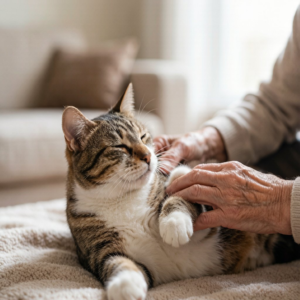
Why Are Cats Raised by Elderly Owners So Calm and Obedient?
Cats kept by elderly owners often seem gentler and more obedient than the lively pets raised by younger people, and the reason is rooted in pet behavior science. Cats love calm, predictable routines, and an older person's slow, regular daily rhythm gives them a sense of safety that lowers their guard. Seniors also provide the 'effective companionship' cats value most—short, low-intensity interactions like petting and soft talk scattered through the day—rather than infrequent marathon play sessions. On top of that, elderly owners tend to be gentle yet consistent: they neither shout nor overindulge, setting clear rules while offering unconditional acceptance. This calm, secure environment lets a cat relax and show its sweetest side.

Why Does Your Dog Bite Your Pant Legs? (And What It Means)
When a dog grabs and tugs at your pant leg, it is rarely out of spite. Most often the dog is trying to get your attention, invite you to play, or signal a need such as an empty food bowl. The swaying fabric can also trigger an inherited prey drive, since a moving pant leg looks like something to chase. In some cases—especially when you pick up keys or put on shoes—it signals separation anxiety: studies show a large share of dogs chew scent-bearing items to soothe themselves when they sense you are leaving. The fix is consistency: ignore the behavior, reward calm following, offer chew toys, and meet the dog's exercise needs. Understanding the motive behind the bite is the first step to changing it, and learning your dog's other body-language cues helps you bond.
Chinchilla Losing Whiskers? Causes and Care
Chinchilla whiskers can fall out for many reasons—some harmless, others worth attention. Natural shedding is normal and needs no treatment beyond good nutrition, but over-grooming, fungal or parasite infections, and vitamin or protein deficiencies can also cause whisker loss. If whiskers drop on their own with no other symptoms, simply watch your pet's behavior and keep its environment clean and safe. When loss persists or comes with other signs, a vet visit is the right move. Reducing stress, correcting the diet, and maintaining hygiene all help the whiskers grow back.

How to Train a Golden Retriever to Retrieve?
Golden Retrievers are smart and eager to please, which makes them relatively easy to train. Teaching your dog to fetch and carry objects starts with building trust, choosing safe toys, and picking one clear verbal cue like "fetch." Use positive reinforcement—praise or a small treat—when your dog responds correctly, and gradually increase the distance and difficulty. Keep sessions short, fun, and patient, then reinforce the skill in daily life through games and light carrying tasks. Consistent, reward-based training helps your Golden master retrieving faster.