Archive

How to Read Your Dog’s Tail Language
A dog's tail shows emotion, but wagging alone is not enough — it can mean happy, scared, angry or confused. A horizontal big sweep with a curved body invites play; a lowered wag with a bark warns you off; a tucked tail signals fear, submission or pain; a stiff raised tail with a hard stare means hostility. Read the whole posture to understand your dog.

How to Teach Your Dog to Swim in Summer
Swimming is great summer exercise that cools a dog and burns energy, but not every dog knows how. Prepare with a 10-minute land warm-up and no food for an hour before, bring a life jacket and leash, and pick a clean pool of moderate depth. Comfort the dog into the water, carry small dogs like a baby and large dogs with a U-hug, avoid midday heat, and rinse the dog afterward to prevent skin and eye infection.

What Your Dog’s Different Facial Expressions Mean
A dog's face shows its mood: ears up with a closed mouth means calm, ears forward with a slightly open mouth means curious, ears back and mouth open means affection, while ears back and mouth slightly open signals nervousness. Ears forward with a C-shaped open mouth is a pre-attack warning, and flattened ears with bared teeth mean fear and a readiness to bite.

Dog Training: Methods and Tips
Well-behaved dogs are made through training. Train during the ideal window of 3–6 months in a distraction-free space, use short, consistent commands, keep sessions to 10–15 minutes, and reward correct behavior with praise or treats. A toy held at eye level can refocus a distracted puppy.

7 Ways Dogs Apologize — Can You Read Them?
Dogs are among humans' best friends, with deep bonds. When they do wrong, they show apologetic behaviors — but many owners miss the signs. Here are 7 ways dogs say sorry.

What Does It Mean When a Hamster’s Ears Are Up?
Hamsters are cute, affectionate little pets, but some of their behavior puzzles new owners. For example, when you see a hamster's ears stand up, you may wonder what it means. In fact, erect ears can mean several things — this article explains.

Why Rabbits Get Angry and How They Show It
Rabbits are a bit willful and can sulk for no clear reason, then quietly calm down. But their anger isn't always petty; sometimes the owner missed something. Here are the common causes and signs.

The Body Structure of a Hamster
Many people love hamsters but few know how their bodies work, such as that hamsters have poor eyesight. Here is a close look at hamster body structure.

Why Do Cats Lick Their Noses?
Cats usually lick their noses to keep them moist and protected and to preserve a keen sense of smell. They also do it when nervous, when something is on the nose, or when thirsty. Here are the common reasons.
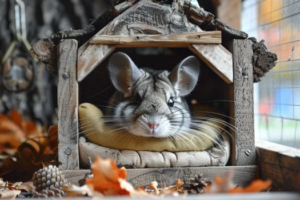
Why Does a Pudding Hamster Bite? What to Do If Bitten
A pudding hamster may bite because your hands smell of food, it senses threat from a stranger, its poor vision mistakes splayed fingers for food, or it smells another hamster on you—all tied to its strong territorial instinct. Wash your hands before handling, keep fingers together, and never tease with a finger. If bitten and bleeding, rinse with soapy water and see a clinic; a light bite without deep tissue can be rinsed well and dabbed with iodine.