Search Results
96 results for “zinc oxide”
Why does my cat have scabs around its neck after scratching?
Scabs after a cat scratches its neck are often from bacterial, fungal or parasitic infection. If no parasites are seen and the cat is dewormed regularly, bacteria or fungi are the likely cause, but a skin scraping at the vet is needed to tell which. Bacterial infection is not contagious and improves with treatment; untreated fungal infection can spread, so use an Elizabethan collar and a pet skin spray meanwhile.

How to Treat Dog Folliculitis
Dog folliculitis starts with clogged follicles and secondary bacterial infection; treatment aims to kill bacteria, soothe inflammation, and keep the area clean and dry. Disinfect the spot and apply an antibiotic ointment (e.g., erythromycin), or use oral/injected antibiotics for severe cases, plus a medicated bath and an Elizabethan collar. See a vet if it doesn't improve.
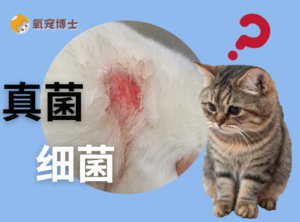
Cat Skin Redness and Hair Loss: Fungal or Bacterial?
A cat's skin normally carries small amounts of bacteria and fungi that only cause trouble when the skin barrier breaks. Fungal infection, usually Microsporum canis, shows as ring-shaped hair loss with a red raised edge and dry scales, and spreads slowly. Bacterial infection is usually secondary—after a scratch, bite, mite, or allergy—and appears as pustules and fast-growing ulcers. Telling them apart guides the right treatment.

Canine and Feline Dermatitis: Symptoms, Treatment, and Prevention
Dermatitis is inflammation of the skin in dogs and cats from parasites, allergy, infection, or trauma, causing itch, swelling, and crusting. Treatment removes the cause and controls inflammation locally and systemically.

Canine and Feline Eczema (Moist Dermatitis): Symptoms, Treatment, and Prevention
Eczema is a superficial skin inflammation in dogs and cats driven by allergy and weak skin defense, producing redness, vesicles, hair loss, and crusting. It is managed by relieving itch, calming inflammation, and keeping the environment clean.

Canine Pyoderma: Symptoms, Treatment, and Prevention
Pyoderma is a bacterial skin infection in dogs, usually from Staphylococcus or Streptococcus, most often secondary to another skin problem. It causes pustules, crusting, and hair loss, and is treated with culture-guided antibiotics plus skin care.

Stud Tail in Cats: Symptoms, Treatment, and Prevention
Stud tail is a hormone-driven acne of the tail base in intact male cats, caused by overactive scent and sebaceous glands. It produces blackheads and can progress to infection, and is best managed by neutering and skin care.

Feline and Canine Eosinophilic Granuloma Complex: Symptoms, Treatment, and Care
Eosinophilic granuloma complex is a group of allergic skin lesions in cats and dogs, causing ulcers, plaques, or linear nodules on the lips, thighs, or mouth. The exact cause is unknown, and treatment controls inflammation and prevents infection.

Canine Self-Biting (Acral Self-Trauma) Syndrome: Symptoms, Causes, and Care
Self-biting syndrome is a compulsive behavior in dogs that leads to biting of the tail, limbs, or body, causing wounds and infection. It stems from parasites, nutritional gaps, allergies, or anxiety, and requires both behavior and medical management.

Canine Mucinosis (Shar-Pei): Symptoms, Treatment, and Care
Canine mucinosis is a hereditary skin disorder of Shar-Pei dogs in which connective-tissue cells overproduce mucin, causing fluid-filled swellings or papules. It is not contagious and is managed with anti-inflammatory and supportive skin care.