Search Results
85 results for “yogurt”

What Smells Attract Cats?
Cats like meat, fish, yogurt, catnip, treats, and sweet scents. Each cat differs. Catnip especially appeals to most — but don't overdo it. Knowing their favorite smells helps you bond and care for them better, while respecting diet limits.
What kind of milk can cats drink?
Cats can have pet-formulated goat milk, lactose-free milk, lactose-reduced milk, and small amounts of yogurt. Because cats produce little lactase, regular milk often causes diarrhea and vomiting, and can even be fatal to kittens. Low-lactose options are safest.
How Much Water Does a Cat Need Each Day? Even a Little Less Is a Risk
A cat needs about 40–60 ml of water per kg of body weight daily — roughly 200–300 ml for a 5 kg cat. That total includes water from food: dry food is only 5–10% moisture while wet food and fresh diets are 70–80%. Pregnant/nursing mothers need +50%, kittens (3–6 months) 60–80 ml/kg, and hot, dry, or active conditions call for +20–30%. Chronic shortfalls raise the risk of urinary crystals, kidney disease, and constipation.
Which Dogs Need Calcium Supplements? Don’t Overdo It
Healthy dogs rarely need extra calcium, but growing large-breed puppies on low-calcium diets, pregnant or nursing mothers (risk of eclampsia), and seniors with weak digestion may need some. Get a vet check first, then choose the right form (calcium carbonate, citrate, or lactate) and food sources, plus sunlight and exercise. Too much calcium harms bone development and can cause kidney stones.

Why Does My Dog Still Smell the Day After a Bath?
A dog that smells the day after a bath often has fur not fully dried, uncleaned ears or paw pads, too-long baths, hot water, harsh shampoo, or blocked/inflamed anal glands. Mouth odor from tartar, food bits, or gut disease also adds up. Use a pet shampoo, dry thoroughly, brush teeth and clean ears regularly, and express the anal glands to cut the smell.

How to Treat Constipation in a Chinchilla
Chinchilla constipation is common but, left alone, can seriously harm the gut. Causes include too little fiber or water, intestinal disease such as polyps or rectal inflammation, and too little exercise. Signs are dry pellet-like droppings, lower appetite with more drinking, a slightly swollen tender belly, and lethargy. Treat with more hay and grass powder, extra water, exercise, and gentle belly massage; a vet may advise a motility drug. Long-term laxative use needs professional guidance.

Can Dogs Eat Ice Cream?
Dogs can technically eat a tiny bit of plain ice cream, but it's rarely a good idea. Most adult dogs are lactose intolerant, so the milk sugar ferments in the gut and causes diarrhea and vomiting; the cold shock also cramps the stomach. Ice cream is also high in sugar and fat, and any variety containing xylitol, chocolate, cocoa, or grapes is toxic. If your dog loves frozen treats, offer a homemade mix of unsweetened yogurt with pumpkin or banana, or a pet-store dog ice cream—in strict moderation, once or twice a week at most.
Why Dogs Drink Less in Cold Weather (and Why It Matters)
As temperatures drop, many dogs drink far less, but winter dehydration is no minor issue — it can concentrate urine, form mineral crystals, and lead to urinary tract infections, stones, or even blockages. Low water also slows digestion and causes constipation, strains the kidneys, and thickens the blood, burdening the heart. A healthy adult dog needs 40–60 ml of water per kg daily, and no less than 30 ml/kg in winter. To encourage drinking, offer warm water (28–40°C), add a splash of something tasty like broth, place bowls around the home, use a flowing fountain, and boost activity on sunny days so your dog drinks after exercise.
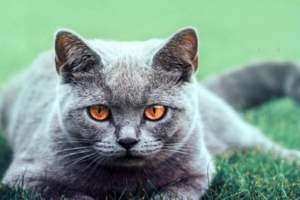
How Cats Eat and Drink: Healthy Habits
In the wild a cat eats up to twenty small meals a day, so free access to food suits its nature better than one or two big bowls. Feeding a single staple with the occasional treat, using puzzle feeders for mental stimulation, and placing water bowls away from food all mirror feline instinct. This guide covers sensible feeding and safe drinking setups for indoor cats.

What Kind of Water Is Best for Your Cat?
Getting a cat to drink enough water is a daily worry for owners, and the type of water matters too. Cats prefer clean, fresh water and running water; boiled-and-cooled water is the healthiest daily choice, with purified water a fine alternative where tap quality is poor. Tap and mineral water are okay occasionally but, because most cats eat dry food and drink little, their higher mineral load raises the risk of urinary and bladder stones, so they shouldn't be the first choice. Tricks to boost intake include meat broth, a little goat milk or yogurt, and several water stations around the home.