Search Results
442 results for “yellow vomit”

What Are the Symptoms of Canine Coronavirus?
Canine coronavirus is a fast-spreading intestinal virus that looks a lot like parvovirus. Infected dogs become lethargic and lose their appetite, then develop persistent vomiting and foul-smelling, watery diarrhea that may carry a little blood—often in recurring bouts. Puppies are especially vulnerable, while adult dogs usually recover. There is no specific cure; treatment is supportive (fluids, anti-emetics, gut protectants, and a recovery diet), and prevention through vaccination and good hygiene is the most reliable defense.

Why Does Your Dog Keep Shaking Its Head? Don’t Ignore These Causes
An occasional head shake after sleep or a swim is normal, but frequent, forceful shaking with scratching, redness, odor, or discharge means trouble—usually an ear infection. Bacterial or fungal otitis, ear mites, and trapped grass seeds lead the list; allergies and, rarely, ear tumors are also possible. Learn the telltale discharges, clean gently, keep up monthly parasite prevention, and see a vet if it doesn't improve in days.
Foods That Support Your Dog’s Liver
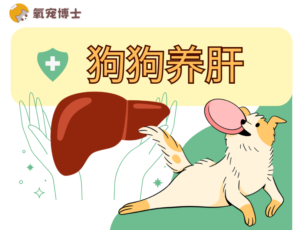
The liver filters toxins, stores nutrients, and makes bile, yet it stays silent until heavily damaged—so daily support matters. Quality protein, cruciferous vegetables, and berries aid detoxification, while milk thistle, dandelion root, and omega-3s protect cells. Just as vital is what to skip: fatty foods, toxic items like chocolate, onion, and grapes, and human medicines that strain or poison the liver. Keep water flowing and weight healthy.

Why Do Dogs Regurgitate and When to Worry
If a dog brings up undigested food and swallows it again while acting normal, that is simple regurgitation, a harmless reflex usually caused by eating too much, too fast or rich food. Feed measured, balanced meals on a schedule to cut it down. But regurgitation is not the same as vomiting; if it comes with low energy, no appetite, or persists, or if the material is yellow-green, coffee-colored or red, see a vet at once for possible blockage, organ or bleeding trouble.
Egyptian Cobra
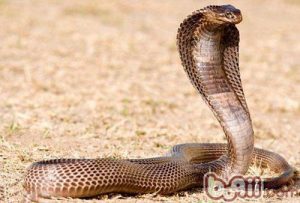
The Egyptian Cobra (Naja haje) is a large, highly venomous snake of northern Africa and the Arabian Peninsula, famed as the 'asp' of Cleopatra. Reaching 1.5–2.4 m with a broad neck hood, it is mostly nocturnal and delivers a potent neurotoxic venom—among the deadliest cobras.

Aflatoxin Poisoning in Dogs and Cats
Aflatoxins from mouldy food damage the liver, causing vomiting, jaundice and lethargy and, with long exposure, liver failure. There is no antidote, so prevention and prompt toxin removal are key.

Copper Metabolism Disorders in Dogs and Cats
Copper metabolism disorders in dogs and cats include copper toxicity, acute shock or chronic liver disease with anemia and ascites, and copper deficiency, causing anemia, bone and joint disease, and faded coat color. They are managed by correcting dietary copper and treating liver disease.

Ascites in Dogs and Cats
Ascites is the abnormal buildup of fluid in the abdomen, a chronic condition that may be watery (transudate) or inflammatory (exudate). It causes a symmetrically swollen belly, weakness, and breathing difficulty; treatment targets the underlying disease plus fluid removal and a low-sodium diet.

Chronic Pancreatitis in Dogs and Cats
Chronic pancreatitis is a repeated or persistent pancreatic inflammation marked by recurring abdominal pain, fatty stools, and eventually high blood sugar or diabetes. Management uses a low-fat diet, pain control, and correction of enzyme or sugar imbalances.

Acute Hepatitis in Dogs and Cats
Acute hepatitis is a sudden inflammation of the liver cells, marked by jaundice, acute digestive upset, and sometimes nervous signs. Affected pets lose appetite, vomit, and may develop tremors or coma; treatment supports the liver and controls the cause and infection.