Search Results
88 results for “wire cage”
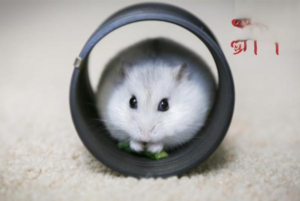
What Types of Hamster Cages Are There?
Common hamster cages include wire (ventilated, easy to clean, best for beginners), aquarium/tank (pretty but poor airflow, pricey, fragile), tube (burrow-like but hard to clean), and bin/cabinet (private but hard to view). Prioritize floor space and avoid wood; bad airflow risks heatstroke.

Where to Place Your Hamster Cage
The cage is where a hamster eats, drinks and lives, so its spot matters. Random placement can disturb the pet. Here is the right way to place it.
What kind of cage is suitable for a Pudding hamster?
Pudding hamsters are active and need plenty of space, so provide a large, well-ventilated cage. Metal cages are recommended, but the bar spacing must be small enough to prevent escape. Glass cages are not recommended because they are poorly ventilated and easily broken.

How to Clean a Hamster Cage: Steps and Tips
A clean cage is the foundation of hamster health. Wipe the wire mesh with a damp cloth (never water, to avoid rust), wash the bottle and bowl daily, scrub often-ignored toys, spot-clean wet bedding and change it every few days, refresh the nest, and finish with 75% alcohol spray once dry. For a newly arrived hamster, avoid daily full cleanings so the environment stays stable.

How to Choose the Right Rabbit Cage
Pick a rabbit cage that is roomy (at least about 3 m² of floor for an adult, tall enough to stand on hind legs), with a solid plastic or wood base rather than a wire mesh floor that causes sore hocks. Wood is safe to chew but harbors bacteria; for metal cages check the paint is non-toxic with no sharp wires.
How do I assemble a hamster cage?
Assembling a hamster cage is fairly easy: lay out and sort the parts, set the base level, fit the side panels into the base grooves, drop in the wire top, mount the food bowl, and finally build the exercise wheel per the manual.

How to Treat Pododermatitis (Sore Hocks) in Rabbits
Sore hocks in rabbits are often caused by wire cage floors and poor hygiene, leading to foot inflammation and ulcers. This guide covers the causes, symptoms, and several home and veterinary treatment methods, plus prevention.

Causes and Treatment of Ulcerative Pododermatitis (Sore Hocks) in Rabbits
Ulcerative pododermatitis (sore hocks) is a pressure-induced skin ulcer on the soles and sides of a rabbit's feet, most often seen in adults kept on hard or wire cage floors. It causes pain, reluctance to move and, if infected, can lead to abscesses, cellulitis or even fatal septicemia. Good hutch design, soft bedding and prompt wound care are key to prevention and treatment.
How can I keep mice from bothering my budgerigar?
Mice are a budgie's natural enemy and can squeeze through gaps an ordinary cage can't block. Use the 'double-cage' method: buy a fine-wire cage denser than the original and larger, and slip it over the birdcage after dark - blocking mice, snakes, cats, and shrikes.
How to keep mice from disturbing a budgerigar?
Mice are natural enemies that slip through cages, so use the double-cage method: a fine wire cage larger than the original, placed over it at night to block mice, snakes, cats, and shrikes.