Search Results
198 results for “winter warmth”

How to Help Your Dog Through Winter
Winter care centers on warmth: a cozy bed out of drafts, heating pads under a towel below 21 C, dog clothes if thin-coated, and high-calorie food. Keep air moving, shift walks to warmer hours, bathe only monthly indoors, and guard against heater burns.

Are Hamsters Sensitive to Cold? How to Keep One Warm in Winter
Hamsters are very cold-sensitive; 20-25 C is ideal and below 20 C risks torpor or death. In winter add warm bedding, heat the room or use a heat mat, boost calories, and revive promptly if it goes into torpor. Always house one hamster per cage.
How to care for a Chihuahua in winter?
Winter care needs warmth: provide a warm, dry, sheltered home with bedding; use heaters or blankets in cold weather. When going out, put a small coat on to avoid chills. In winter, add higher-calorie foods like chicken, beef, eggs. Also give warm water daily to prevent frozen water irritating the stomach.

Does Your Dog Need Clothes in Winter?
Dogs evolved from wolves and have their own warming system, so most healthy dogs stay warm alone. But short-haired dogs, puppies, seniors, and those with joint or heart conditions get cold easily and benefit from a coat. Pick breathable fabric and the right size.

How to Care for Rabbits in Winter
Winter rabbit care centers on warmth, nutrition, exercise, and health checks. Provide a well-insulated, draft-free hutch with soft bedding, feed extra high-energy food and offer warm water (30-40C), and let them exercise and sunbathe on milder days.
Winter Dog Care: The ‘Five Do’s and Five Don’ts’ to Save
In winter, keep dogs warm by breed/age (short-haired, small, puppy, and senior dogs need coats outdoors; long-haired breeds don't), add nutritious cooked meats, watch electric-heater safety, groom coats, and protect paws from salt. The five don'ts: no all-day clothing (weakens the coat's insulation), no staying indoors (winter blues), no skipping deworming (every 2–3 months), no drinking snow melt (gut irritation), and no frequent baths (monthly is enough).
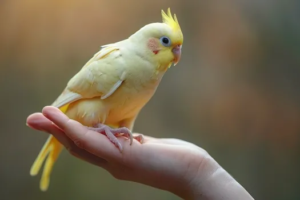
How to Keep a Budgerigar Warm in Winter
Budgies tolerate cold poorly, so act quickly when temperatures drop. Provide a warm, draft-free cage, extra high-energy food and warm water, steady light, and close daily observation so illness is caught early.

Preventing Autumn and Winter Dog Illnesses
Cold seasons bring risks. Keep warm—especially puppies and seniors—with a warmer bed, blanket, or heat lamp (watch electrical safety and distance); bathe at midday in sunlight, less often, warmer water. For weather-related colds (sneeze, runny nose, cough), use pet-specific cold medicine and warmth—never human drugs—and see a vet if it worsens. Keep walking for immunity; short-haired or weak dogs can wear coats and must be dried after rain. Diet may need more frequent small meals; keep probiotics ready for soft stool. Deworm year-round (fleas stay active), and expect the autumn coat shed (Sept–Oct).

Why Cats Love the Fire in Winter (and How to Keep Them Safe)
Cats seek warmth because their normal temperature runs higher than ours and, with fewer heat-sensing neurons, they feel cold more and heat less, so they bask and curl by heaters. But fur has few pain receptors, so a cat can singe its coat without noticing. Keep heaters behind a guard and never leave a cat alone with one; choose well-insulated, heated, or warm-material beds and turn off devices when unsupervised.
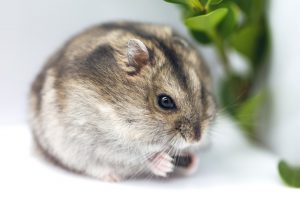
Winter White Dwarf Hamster
The Winter White Dwarf Hamster (Phodopus sungorus), also called the Djungarian hamster or Russian dwarf, is the easiest and tamest of the small hamsters and turns white in winter. A solitary species, it needs a safe cage, a wheel, and a careful diet free of onion, chocolate, and apple seeds. Lifespan 2–3 years.