Search Results
35 results for “winter safety”

Winter Dog-Care Myths: Clothes, Heating Pads, Overfeeding, and Boots
Common winter mistakes are dressing every dog (double-coated breeds like Huskies need no clothes), using unsafe heated beds, overfeeding because the dog is less active, and leaving boots on too long, which breeds fungus and warps the gait. Dress only short-haired or single-coated dogs in breathable cotton, and keep portions steady through the cold months.
How to Protect Your Dog’s Paws in Winter
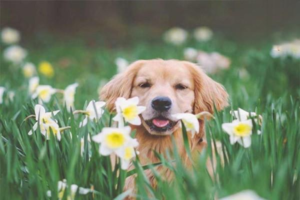
Dog paw pads handle cold better than you think thanks to a special circulation that warms them, so boots are more about keeping clean than warm. The real winter enemies are wetness, hidden sharp objects, de-icer, and dry cracking, so dry paws after outings and moisturize as needed.

How to Keep Pets Warm in Winter
Winter came a bit late but hard; Shanghai is turning cold. Notice your fur kid burrowing into bed, by the heater, in your arms.
Winter Cat Care: What to Watch For
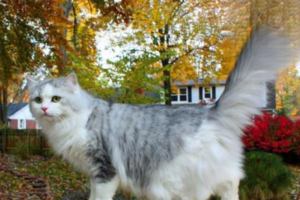
Winter can be a strange time for our cats — odd furniture and noises like heaters and fireworks. Cold weather brings extra risks too.

How Do Cats in the South Survive Winter?
After winter sets in, as owners we worry about cats getting through winter. Though they have a natural down jacket, there's a maternal love called mom thinks you're cold! So how should southern cats without heating survive winter?

How to Keep Your Dog Warm in Winter
Warm your dog safely in winter: avoid long hours in heated, sealed rooms, skip electric blankets, keep distance from radiant heaters, and never serve food that is too hot or too cold.

Winter Warmth Mistakes for Dogs
Winter is cold, so keeping a dog warm is needed - but wrong methods threaten its health and safety.
How to keep a kitten from catching a cold in winter?
Kittens resist cold poorly; keep warm. With heating/AC, keep 18-22 C; without, use blankets, hot water bottles, heating pads safely. Avoid bathing and outdoor trips in winter.
Winter Dog Care: The ‘Five Do’s and Five Don’ts’ to Save
In winter, keep dogs warm by breed/age (short-haired, small, puppy, and senior dogs need coats outdoors; long-haired breeds don't), add nutritious cooked meats, watch electric-heater safety, groom coats, and protect paws from salt. The five don'ts: no all-day clothing (weakens the coat's insulation), no staying indoors (winter blues), no skipping deworming (every 2–3 months), no drinking snow melt (gut irritation), and no frequent baths (monthly is enough).
Preventing Autumn and Winter Dog Illnesses
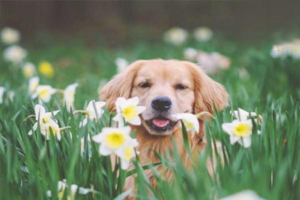
Cold seasons bring risks. Keep warm—especially puppies and seniors—with a warmer bed, blanket, or heat lamp (watch electrical safety and distance); bathe at midday in sunlight, less often, warmer water. For weather-related colds (sneeze, runny nose, cough), use pet-specific cold medicine and warmth—never human drugs—and see a vet if it worsens. Keep walking for immunity; short-haired or weak dogs can wear coats and must be dried after rain. Diet may need more frequent small meals; keep probiotics ready for soft stool. Deworm year-round (fleas stay active), and expect the autumn coat shed (Sept–Oct).