Search Results
186 results for “winter dog care”
Winter Dog Care: The ‘Five Do’s and Five Don’ts’ to Save
In winter, keep dogs warm by breed/age (short-haired, small, puppy, and senior dogs need coats outdoors; long-haired breeds don't), add nutritious cooked meats, watch electric-heater safety, groom coats, and protect paws from salt. The five don'ts: no all-day clothing (weakens the coat's insulation), no staying indoors (winter blues), no skipping deworming (every 2–3 months), no drinking snow melt (gut irritation), and no frequent baths (monthly is enough).

Winter Coat Care for a Healthy Dog Coat
A glossy coat starts with the right nutrients: enough protein, healthy fats, omega-3s, and vitamin E. Balanced dog food remains the base, with targeted extras like egg yolk, lean meat, and salmon oil for shine.

Winter Dog-Care Myths: Clothes, Heating Pads, Overfeeding, and Boots
Common winter mistakes are dressing every dog (double-coated breeds like Huskies need no clothes), using unsafe heated beds, overfeeding because the dog is less active, and leaving boots on too long, which breeds fungus and warps the gait. Dress only short-haired or single-coated dogs in breathable cotton, and keep portions steady through the cold months.

Winter Care Tips for Dogs
Winter is cold, so people stay in, spending more time with dogs. It is a hard season for dogs—cold cuts outdoor time, and poor warmth causes chills and colds. For a happy winter, watch the dog's daily life and health. Here are winter dog-care tips.

Winter Dog-Care Tips
Winter care matters. (1) Keep exercise: don't lock the dog indoors for fear of cold—it loses freedom and can get depressed or weak and sick. On a sunny afternoon, leash it to the park for a walk and sunlight that kills coat bacteria. (2) Dress smart: cold-prone small breeds (Chihuahua, Teddy) can wear comfy clothes, but Huskies and Goldens generally should not. (3) Diet: skip 'winter tonics' and rich food—a cold gut handles them poorly and they just add burden. Keep the normal feeding plan.
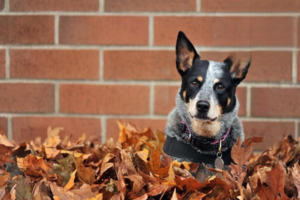
Winter Care Mistakes to Avoid for Dogs
When a cold snap hits, dogs sleep away the winter in warm beds — but keeping them cozy has traps. Five common warming mistakes can actually do harm, while a few simple habits keep a dog safe and comfortable.

A Winter Care Guide to Keeping Your Dog Warm
Winter warmth is the top concern for dog owners, yet many fall into traps. Meet higher protein needs, keep water and probiotics up, and use rugs, proper clothing for short-coated breeds, and safe sunlight to stay warm.

How to Deal With Dog Odor at Home
Dog odor comes from the dog itself—body odor, lack of bathing, bad breath, ear wax, full anal glands, or skin disease—and from accidents caused by untrained pups, marking during heat, diarrhea from parasites or parvovirus, or aging sphincter loss. Find the source, then improve hygiene (regular baths, weekly teeth brushing, ear and anal-gland care) and use an enzymatic deodorizer that breaks down odors rather than masking them.

Understanding Kennel Cough in Dogs
Kennel cough is a highly contagious respiratory disease in dogs caused by canine adenovirus type II (among other agents), marked by a harsh, repeated cough that worsens at night and with exercise. It spreads easily, especially in autumn and winter, but is preventable through vaccination and good husbandry.

Dealing with Static Shock on Cats and Dogs in Winter
Dry winter air leaves pets with a coat full of static that snaps and surprises them. Raise indoor humidity with a humidifier and safe plants, use an anti-static brush, a moisturizing shampoo, and cotton clothing to keep the zap away.