Search Results
84 results for “winter chills”

Do Golden Retrievers Feel Cold? Winter Care Tips
Golden Retrievers have long coats and some cold resistance, but extreme cold still chills them and can cause colds. This guide covers six winter points—no clothes, less bathing, deworming, gut, exercise, nutrition.
How to care for a Chihuahua in winter?
Winter care needs warmth: provide a warm, dry, sheltered home with bedding; use heaters or blankets in cold weather. When going out, put a small coat on to avoid chills. In winter, add higher-calorie foods like chicken, beef, eggs. Also give warm water daily to prevent frozen water irritating the stomach.
How do you keep a hamster warm in winter?
In winter add wood shavings and cotton padding so the hamster burrows into a warm nest. Keep the cage out of drafts to avoid chills, and boost nutrition with high-fat, high-protein foods like mealworms, sunflower seeds, and shrimp to build fat reserves.
How does a Doberman get through winter?
The Doberman has short fur and is more cold-sensitive, so in winter keep it warm and do not let it sleep on floors to avoid chills. On good days, take it out to exercise and sunbathe, which kills fur bacteria and aids calcium and bones. If not very cold, avoid clothes, since they irritate the skin and may cause odor or skin disease.

Is Your Dog Cold? 3 Ways to Tell — Plus Winter Warmth Tips
Dogs are warm-blooded and feel the cold — small, short-haired, hairless, very young, senior, sick, and tropical-origin breeds are the most sensitive. Tell by curling up, shivering, seeking heat, cold ears/paws/belly, sluggishness, and raised fur, then warm them with clothes, a cozy bed, booties, dryness, extra calories, and midday walks.
Winter Dog Care: The ‘Five Do’s and Five Don’ts’ to Save
In winter, keep dogs warm by breed/age (short-haired, small, puppy, and senior dogs need coats outdoors; long-haired breeds don't), add nutritious cooked meats, watch electric-heater safety, groom coats, and protect paws from salt. The five don'ts: no all-day clothing (weakens the coat's insulation), no staying indoors (winter blues), no skipping deworming (every 2–3 months), no drinking snow melt (gut irritation), and no frequent baths (monthly is enough).
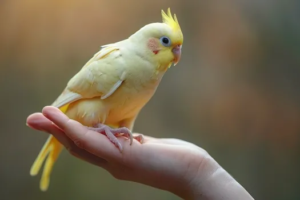
How to Keep a Budgerigar Warm in Winter
Budgies tolerate cold poorly, so act quickly when temperatures drop. Provide a warm, draft-free cage, extra high-energy food and warm water, steady light, and close daily observation so illness is caught early.

Winter Dog-Care Tips
Winter care matters. (1) Keep exercise: don't lock the dog indoors for fear of cold—it loses freedom and can get depressed or weak and sick. On a sunny afternoon, leash it to the park for a walk and sunlight that kills coat bacteria. (2) Dress smart: cold-prone small breeds (Chihuahua, Teddy) can wear comfy clothes, but Huskies and Goldens generally should not. (3) Diet: skip 'winter tonics' and rich food—a cold gut handles them poorly and they just add burden. Keep the normal feeding plan.
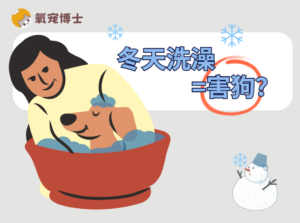
Can You Bathe Your Dog in Winter? Yes—With These 3 Points
Winter bathing isn't forbidden—it's about method. Bathe too often or not at all both cause problems, and human products harm a dog's skin. Choose the warmest midday hour, preheat the room to 25–28°C, keep the whole wash to 10–15 minutes at 38–40°C water, then dry thoroughly. Rest indoors an hour or two before going out, and a warm, clean coat keeps your dog healthy and close to you.

Do Kittens Need Extra Warmth in Winter?
Cats feel the cold and are prone to illness when temperatures swing, so winter warmth matters. A monthly bath with thorough drying, warm clothing indoors, fresh air, and warm soft food all help keep a kitten healthy.