Search Results
500 results for “winter cat”
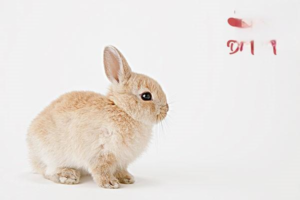
Why Do Rabbits Eat Their Fur and How to Stop It
Many rabbit keepers report rabbits constantly eating their own fur until they're nearly bald. Here are the causes of fur-eating and how to handle it.

Common Dog Diseases in Autumn
The autumn equinox has passed—autumn is here. As it cools and day-night temperature gaps widen, dogs change too (seasonal shedding). Autumn needs extra care or disease strikes. Here are the common autumn dog diseases.

How to Treat Pododermatitis (Sore Hocks) in Rabbits
Sore hocks in rabbits are often caused by wire cage floors and poor hygiene, leading to foot inflammation and ulcers. This guide covers the causes, symptoms, and several home and veterinary treatment methods, plus prevention.

Hamster Shedding and Summer Care
Summer shedding is normal for hamsters as they lose their thick winter coat, but constant shedding may signal illness. Also guard against heatstroke with shade, water, ventilation, and cooling foods.

What Happens When a Dog Is Bitten by a Tick
Ticks are tiny blood-feeding parasites that can transmit disease within hours of attachment. Prevention—regular preventive medication and avoiding tall grass—is far safer than removing an embedded tick yourself.

How to Tell if a Hamster Is Cold
Hamsters feel the cold far more than cats or dogs, with a comfortable range of 20–25°C. Below 20°C they start to chill; below 10°C they slow down and risk colds or pneumonia; below 5°C they may enter a dangerous pseudo-hibernation. You can tell a hamster is cold by taking its temperature (under 37°C under the arm or thigh), feeling that it is cooler than usual, or spotting shivering, purple-tinged gums, low energy, poor appetite, and nest-building with bedding. If it goes still with a faint heartbeat, act fast to warm it—pseudo-hibernation can be fatal.

Common Diseases of Ornamental Fish
Scale loss, fin rot, fin congestion, saprolegniasis (cotton fungus), and cloudy eye are common ornamental fish diseases. Even careful keepers can't fully prevent them, so observe fish daily for early signs. Most sick fish show reduced appetite and activity; act on these promptly. Keep water clean, since fouled water easily causes illness.
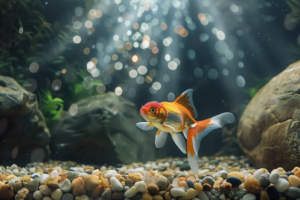
Why Do Goldfish Get Cloudy Eye (Moon Eye Disease)?
Cloudy eye in goldfish is mainly from bacteria or parasites, but the root cause is poor water quality—bad water lets pathogens breed, lowering resistance so they invade. Prevent by clearing waste and changing water regularly. Early signs are a white film on the eye, treatable with the 'old three methods'; if the eye turns clearly cloudy, add chlortetracycline or penicillin. Treat early.

Things to Know When Caring for a Chinchilla
Chinchillas have dense fur and hate heat; around 20°C (68°F) is their comfort zone, so owners must manage both warming and cooling. This article covers the key husbandry points—environment, cage, and diet—for keeping a chinchilla healthy.

Why Is My Hamster Constipated, and What Should I Do?
Constipation is miserable for anyone—and even a tiny hamster can get it, especially in winter when many become lethargic and lose appetite. This article explains the common causes of hamster constipation and how to relieve it by severity.