Search Results
8 results for “why dogs eat snow”
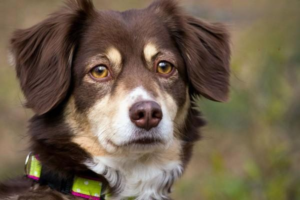
Why Do Dogs Like to Eat Snow?
Most dogs eat snow mainly because they are dehydrated in winter's dry air, not because they enjoy it. Fresh snow is only about 5% water, so offer fresh water instead of letting them lick old snow.
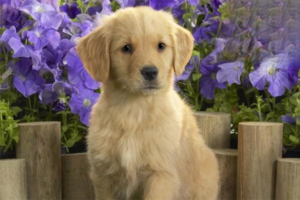
Why Won’t Your Dog Go Out in Winter?
Today we look at why dogs refuse winter walks, and what to do.
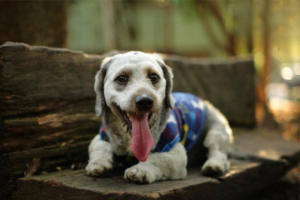
Why Dogs Shed Daily Yet Never Go Bald
Let's see why dogs never go bald. 'They have too much hair to run out' or 'it grows fast' is too shallow - here's the real reason they shed like snow yet stay full-coated.
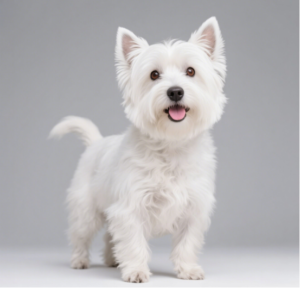
Why You Should Think Twice Before Getting a West Highland White Terrier
West Highland White Terriers are curious and energetic, which makes them champion destroyers of furniture, especially if separation anxiety sets in. Their signature white coat needs heavy upkeep: trims every 1-2 months, regular hand-stripping, twice-weekly brushing, and monthly baths. They are also known for sensitive stomachs and skin that flares up with the seasons, so diet changes should follow a gradual 7-day transition to a low-allergen food. Add a stubborn, treat-motivated temper and a purchase price of roughly 4,000-20,000 yuan plus higher grooming bills, and the Westie is best suited to experienced, time-rich owners.

Why a Dog’s Nose Loses Color in Winter
'Snow nose' is a normal winter fading of nose pigment, not a disease—common in Huskies, Malamutes, Goldens, and Labs. Cold lowers tyrosinase activity, so less melanin is made and the nose lightens; it returns on its own in summer. To keep the black nose, add fish oil or kelp, swap plastic bowls for stainless (plastic can irritate sensitive noses), and get sunlight (UV boosts the enzyme). But easy-snow-nose dogs have little melanin to begin with and burn easily, so avoid summer overexposure and use nose sunscreen.

Campbell’s Dwarf Hamster
The Campbell's dwarf hamster is the most short-tempered of the hamsters, and looks very similar to the three-lined (Djungarian) hamster, with little individual difference. Some Campbell's dwarf hamsters have red eyes.
Bear-Type vs. Wolf-Type Samoyed: What’s the Difference?
Samoyeds come in two popular looks: the bear-type (often called the "Australian line") and the wolf-type (the "Russian/Siberian line"). Bear-type dogs are stocky and round, standing about 53-58 cm at the shoulder and weighing 25-30 kg, with a broad, short muzzle and an extremely fluffy double coat. Wolf-type dogs are leaner and more athletic, roughly 3-5 kg lighter, with a longer, narrower muzzle, almond eyes set close together, and a sleeker, coarser coat. Temperament differences are minor and mostly shaped by socialization rather than bloodline. The most important factor when choosing a pet is matching the dog's needs to your lifestyle, not which "version" you prefer.

What Makes the Komondor a ‘Mop Dog’?
The Komondor's corded, mop-like coat is no accident: herders once tended the strands by hand, and a wolf-line double coat let the breed grow far more hair than most. Those cords shield it from weather, predators, and skin harm.