Search Results
19 results for “why dock”
What are the downsides of not docking a Corgi’s tail?
Undocked Corgis look less classic and may be mistaken for mixed breed; historically docked to avoid tail injuries while herding. Modern pets risk feces on the long tail causing skin issues.
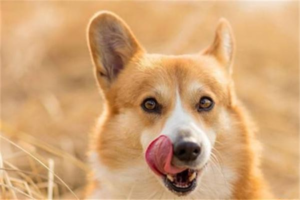
Is It OK Not to Dock a Corgi’s Tail?
Corgis can absolutely keep their tails. They're born with them; docking began because working herders wanted to avoid tail injuries and aid movement. Today, as family pets, most corgis have no need for it—and many are docked only because owners like the look. But the tail matters: it helps with balance, expresses emotion, and its removal can affect wellbeing and even invite bullying. The surgery also carries pain and infection risk. Unless necessary, leaving the tail is the kinder, healthier choice.

Do Dogs Ever Need Braces?
Malocclusion in dogs usually comes from genetics or retained baby teeth, and only needs correction when it stops normal eating, traps plaque, or injures the mouth. Most cases are harmless and need nothing more than good dental care—though show dogs may be docked points for an off bite.

Rottweiler
The Rottweiler, also called the Rottweil Metzgerhund, originated in Germany and is a large, multi-purpose working dog. Used as a military dog in World War I and later as a police dog, it is among the world's most popular guard and service breeds, and a loyal family protector when trained.

Dalmatian
The Dalmatian, originating in Yugoslavia, is famous for its distinctive spotted coat and is commonly called the Spotted Dog. A breed of great endurance and speed, it served 19th-century nobility as a carriage guard dog, earning the nickname 'coach dog.'

Welsh Springer Spaniel
The Welsh Springer Spaniel is an ancient flushing spaniel, mainly found in the U.S., valued as a hardworking gun dog and a moderate-sized, affectionate companion. Its weather-resistant red-and-white coat needs sensible care.

Gordon Setter
The Gordon Setter is a Scottish gundog from the 17th century, recognized by its black-and-tan coat. A beautiful, intelligent, and hardworking hunting dog, it is alert, cheerful, confident, and deeply loyal.

How to Treat Water Mold Disease in Turtles
Water mold disease in turtles is best caught early, since most medications only work in the initial stage. The two core approaches are raising the water temperature to 28–30°C, which suppresses the fungus, and dry-docking the turtle so the fungus dies without water. For severe cases, antifungal medications such as povidone-iodine are applied topically. Combined with warmth and dry-docking, these methods give the best recovery, while preventing injury and keeping water warm remain the best long-term defense.

Intervertebral Disc Disease (IVDD) in Pets: Symptoms and Severity
Intervertebral disc disease (IVDD) is a leading cause of back pain and paralysis in dogs — especially long-backed breeds like Dachshunds. Learn what causes it, how to spot the signs, and the five grades of severity vets use to assess the condition.
- « Previous
- 1
- 2