Search Results
61 results for “why cats scratch”
Why Cats Scratch and How to Set Up a Scratching Spot
Scratching is normal cat behavior, not a flaw to cure. Cats do it to keep claws sharp for hunting, climbing, and escape; to leave scent from the paw pads and mark territory; and to stretch and loosen the body after a nap. The owner's job is to guide it, not stop it. Offer at least one horizontal and one vertical scratcher, each at least 1.5 times the cat's body length, or DIY with sisal rope on a table leg or a cardboard box. Avoid plastic claw caps — they work against the cat's nature.

Why Does My Cat Keep Meowing in the Early Morning?
Early-morning meowing is usually normal — cats are crepuscular hunters wired to be active at dawn and dusk, and they may simply be hungry, thirsty, or asking for the balcony. It can also become a learned habit if you always get up to feed or play when they cry. The fix is to ignore the crying until they quiet down, then reward calm behavior, and tire them out with play before bed.

Why Do Cats Hug Your Legs?
When a cat wraps itself around your leg it can signal different things: security, affection, joy, a request to play, a plea for protection, gratitude, or even illness. Read the context and your cat's overall condition: an energetic, bright cat is simply happy, while one that seems unwell may be asking for help.

Why Do Cats Roll on the Floor?
A cat rolling on the ground can mean play, happiness, self-grooming, a bid for attention, stress relief, or itchy skin from parasites. Context matters: if the rolling is paired with scratching or skin irritation, check for fleas and treat promptly; if it is purely attention-seeking, more interaction solves it.
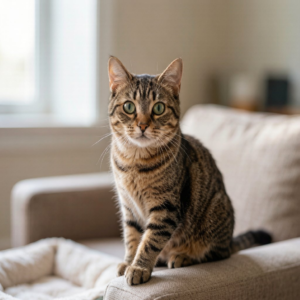
How to Stop Your Cat Scratching the Sofa
Cats scratch naturally to wear down claws that never stop growing; without a proper outlet they may pick the sofa because they like its texture. Understand this instinct and redirect it: offer scratching posts, reward post use, and use protectors or safe sprays. Never punish violently, and trim nails regularly to lower the urge.
Do Cats Hold Grudges After Being Hit? (Why You Shouldn’t Hit Them)
Many owners think a single hit is no big deal, but cats have strong short-term memory for painful or frightening events. A kitten may not "hold a grudge" but will remember being hurt and slowly lose trust, hiding whenever it sees you. Adult cats remember even more and are quicker to resent. Hitting rarely teaches a lesson, since only a few very smart cats grasp your intent. Signs of a grudge include refusing touch, destroying things, inappropriate elimination, counter-attacking, or running away. The fix is to stop all physical punishment, rebuild trust with treats and play, and correct with a firm voice, time-out, rewards, or a mother-cat style neck tap instead.
Why Does Cat Fur Become Matted and Hard?
Matted, hardened fur is a common and frustrating problem for many cat owners, and it can seriously affect a cat's comfort and appearance. The issue usually stems from poor grooming habits, an unbalanced diet that lacks essential vitamins and protein, or underlying health problems such as skin infections, inflammation, or fungal disease. When fur is not brushed regularly, loose hairs tangle together and trap dirt, forming tight, stiff mats. In most cases the problem can be prevented and improved through daily brushing, a balanced diet, and routine professional grooming. However, if matting appears together with skin redness, hair loss, or other abnormal signs, a timely visit to the veterinarian is the safest approach.

Why Does Your Cat Head-Butt You?
A cat head-butting you carries several meanings and is a way to express love and needs through body language. Cats head-butt each other to show friendliness, and with people they do the same to build a closer bond and display affection. A cat usually head-butts only those it likes, so respond with more attention and warmth to deepen your trust and closeness.
How to Stop a Cat From Scratching You
A cat that scratches its owner is a common headache, and the behavior is usually fixable once you understand why it happens. Scratching can stem from misunderstanding, anxiety, fear, or over-excitement, and often a cat is only trying to interact or ask for attention without meaning harm. Teach it that scratching makes you unhappy and can bring a consequence, and over time it learns to stop; for truly aggressive scratching, a firm loud noise startles without hurting, paired with calm positive reinforcement. Meet the underlying need by giving a proper scratching post or area, rewarding correct scratching, and offering varied toys and play to burn energy so it does not take it out on your hands. Learn the body language: a swishing tail, flattened ears, or a partly open mouth mean back off. Patience, trust, and the right outlet turn scratching into healthy habits.
Why Do Cats Lose Interest in Toys So Fast?
Cats are endlessly curious about new things, yet that curiosity fades fast—so a thrilling new toy soon becomes boring. Because cats have short attention spans and individual preferences, rotate toys instead of discarding them: put an old toy away and bring it back later to spark fresh interest. Don't dump many toys at once; offer different ones at different times, and most importantly play together—cats are social and lose interest when left to play alone. Regular interaction keeps both their interest and your bond strong.