Search Results
58 results for “why cats lick”
Why Cats Lick Their Fur
Cats lick hundreds of times a day for many reasons. Cleaning: it removes dirt and parasites and prevents mats. Cooling: in summer, saliva on the fur evaporates and carries heat away. Warming: in winter the fluffed, licked coat traps an insulating air layer. Stress relief: licking soothes anxiety. Vitamin D: skin oils made under sunlight are ingested during grooming. Itch: a rough tongue relieves parasite or bacterial skin irritation. And socially, a cat marks 'own' by leaving its scent, and only the higher-ranked cat gets to groom another - unlike dogs.
Why Cats Sniff Your Mouth While You Sleep
Cats sniff your mouth out of curiosity about scents, to learn about you and show closeness, or to wake you for attention or food. Their keen nose also picks up hormonal changes and may even check whether you're still breathing. Keep your mouth clean and feed them before bed if the habit bothers you.

Why Do Cats Vomit When They Smell Certain Odors?
Cats vomit at some smells because their sense of smell is extremely acute—over 200 million receptors feed a vomeronasal organ that reacts sharply to scents we find pleasant, like perfume or citrus. Vomiting can also stem from hairballs, overeating, an empty stomach, food allergies, or digestive disease.

Why Does Your Cat Wait at the Door for You?
A cat at the door isn't always pining for you — it may be ready to 'confess' a misdeed, curious about outside sounds, eager to smell where you've been, bored and wanting play, or simply hungry. Read your own cat's habits to respond to what it actually needs.

Why Male Cats Lose Weight After Going Into Heat
Intact male cats often drop weight during mating season because rising sex hormones suppress appetite, anxiety burns energy, and constant restlessness drains calories faster than they eat. The reliable fix is neutering, which ends the cycle and lowers the risk of reproductive disease. If you're not breeding him, keep him active and offer tempting, palatable food to maintain condition.

Why Do Cats Roll on the Floor?
A cat rolling on the ground can mean play, happiness, self-grooming, a bid for attention, stress relief, or itchy skin from parasites. Context matters: if the rolling is paired with scratching or skin irritation, check for fleas and treat promptly; if it is purely attention-seeking, more interaction solves it.
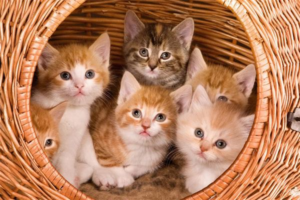
Why Do Mother Cats Get Postpartum Depression?
Postpartum depression in cats has many causes — hormonal shifts as well as environmental and personal factors. After birth, give the mother a quiet, stable environment with enough rest and affection to prevent it. If symptoms appear, get veterinary help promptly so she recovers.

Why Does a Male Cat Lick His Genitals?
A male cat may lick his genitals to clean himself, relieve stress, during mating season, or because of illness or infection. Grooming or seasonal behavior is usually harmless as long as the area stays clean, but if licking comes with other symptoms such as trouble urinating, it likely signals a medical problem that needs a vet.
Why does my cat keep licking its mouth and shaking its head?
Consider irritating substances, hairball vomiting, eating a bug, or oral disease. Watch bowel movements and offer probiotics; check the mouth for redness/ulcers and see a vet if found.
Choosing a Cat Dewormer: Why Combination Spot-Ons Suit Multi-Cat Homes
For mostly-indoor cats, a broad-spectrum, gentle combination spot-on is the most cost-effective and stress-free choice—and because most cats hate pills, a transdermal drop avoids force-feeding and the anxiety it causes, which is ideal for beginners and multi-cat households. Useful active types include imidacloprid-moxidectin (prevents a dozen-plus internal and external parasites and heartworm), fipronil-methoprene-eprinomectin-praziquantel (adds tapeworm and tick coverage for outdoor or raw-fed cats), and selamectin (very gentle from six weeks, pregnancy-friendly). In a multi-cat home the real work is operational: deworm all cats together, dose strictly by weight, use an Elizabethan collar and separation to stop licking, and avoid baths 48 hours around treatment. Above all, prevention beats treatment.