Search Results
178 results for “white rabbit”

A Complete Guide to Preventing Rabbit Diseases
Disease prevention is a vital part of rabbit management, yet most farms are weak here. Here are some prevention and control measures to ease the burden on rabbit keepers.

Preventing and Treating Rabbit Colibacillosis (E. coli)
Rabbit colibacillosis is an explosive, high-mortality intestinal disease, especially in 1–4 month kits. This guide covers symptoms, necropsy findings, diagnosis, prevention, and oxytetracycline/streptomycin treatment.

Home Remedies for Common Rabbit Diseases
Some keepers treat sick rabbits with traditional remedies that, for certain conditions, work surprisingly well. This guide shares folk recipes for rabbit pneumonia, stomatitis, dysentery, diarrhea, and coccidiosis prevention.

Types of Heart Disease in Rabbits
Rabbits can develop several types of heart disease—congestive heart failure, congenital defects, arrhythmias, cardiomyopathy, valve disease, and vascular disease. Most are rare and hard to spot early, so know the signs and don't panic.

Infectious Rhinitis in Rabbits
Infectious rhinitis is a chronic rabbit disease triggered by allergens or viruses (often Pasteurella and Bordetella bacteria), and frequent sneezing is its hallmark sign. Allergen-driven cases clear once the trigger is removed, while viral cases need medication — and the sooner treatment starts, the better.

Black Rabbit Breeds
Black rabbits do exist—most commonly the China Black Rabbit and the black New Zealand Rabbit. Both are established breeds valued for stable genetics, fast growth, and rich, nutritious meat.
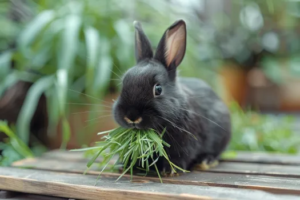
Causes and Symptoms of Stomatitis in Rabbits
Stomatitis in rabbits is an acute, highly contagious viral infection that mainly strikes 1–4-month-old kits and can be fatal within a week if untreated. It causes drooling, mouth blisters and ulcers, and loss of appetite, and is usually caught from contaminated feed or water entering through small mouth wounds.
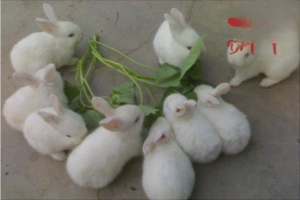
Symptoms of Rabbit Ear Inflammation and How to Treat It
Rabbit ear inflammation (otitis) causes head tilt, ear drooping, foul-smelling discharge, and balance problems, and can lead to deafness or even fatal meningitis if left untreated. Mild buildup can be managed at home with gentle ear cleaning and anti-inflammatory drops, but inflammation with discharge and odor requires prompt veterinary care.

What’s the Difference Between a Pet Rabbit and a Meat Rabbit?
Pet and meat rabbits differ: pets are valued for looks, meat rabbits for utility. Well cared for, pet rabbits live 7–10 years or more. This article compares the two and lists popular pet rabbit breeds.

How to Treat Heatstroke in Rabbits
Heatstroke is a real risk for rabbits in hot weather because they tolerate cold better than heat and have dense fur. Move the rabbit to a cool, well-ventilated spot, lower its body temperature with cool towels and water, and seek a vet promptly if symptoms do not improve.