Search Results
132 results for “whiskers”

White Bear Hamster: Traits and Care
The White Bear hamster is a type of Teddy Bear hamster with snow-white fur and black or red eyes. Many in the "line" group have a short temper, so they are not ideal for first-time owners. Patience and gentle hand-feeding help them bond. They are nocturnal, timid, and prefer hiding, and do best around 27 C. Because they gain weight easily, a balanced diet keeps obesity and its related diseases at bay.

How to Read Your Cat’s Mood From Its Ears
A cat's ears are a precise emotional radar: 32 independent muscles let them rotate 180 degrees to pin sound, and their position shifts with mood in real time. Forward and relaxed means content and trusting; upright and swiveling means alert and defensive, so don't disturb; flat back against the head (the "airplane ears") means fear or stress and a risk of fleeing or lashing out, so move the cat to a calm space and consider a pheromone spray. A single tilted ear shows curiosity, and frequent flicking just means something tickled the ear. Reading these cues helps you interact at the right moment and avoid forcing contact when the cat is uneasy.

Cat Won’t Drink in Summer? 8 Tips to Get It Drinking on Its Own
A healthy adult cat needs about 50-60 ml of water per kg of body weight each day, but dry kibble is only around 5-10% moisture, so summer drinking matters even more. Cats sweat only through their paw pads and ears and cool poorly, so low intake risks heat stress. Practical fixes: use a shallow ceramic or glass bowl (deep bowls annoy whiskers), offer a filtered running-water fountain, keep bowls over 1.5 m from the litter box and place several around the home, rehydrate freeze-dried food, serve wet food in the evening, and offer unsalted broth a few times a week. Senior, obese, and chronically ill cats need closer monitoring for dehydration.
100 Essential Tips Every New Cat Owner Should Know
Bringing home a first kitten is exciting but daunting, and poor care can hurt both of you. These 100 essentials cover diet (life-stage food, toxic grapes/chocolate/onion/garlic, no bones or raw meat, fresh water), daily care (brushing, nail and ear cleaning, litter hygiene, n+1 boxes), health (vaccines at 8–12 weeks, deworming, normal temperature 38–39.2°C, spay/neuter, no human meds), behavior (slow blinks, tail talk, no punishment), and home safety (screens, hiding wires, toxic plants, no smoke). Read them once and you'll share a calmer, healthier life with your cat.
Reading Your Cat’s Mood Through Its Tail
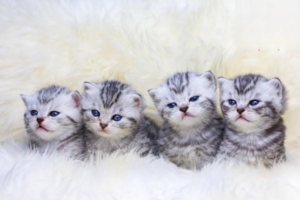
Cats have far fewer facial muscles than dogs or people, so they look 'poker-faced' - attacks or escapes can seem to come from nowhere. But the tail is the open window to mood. A puffed, bristling tail means fear or threat; a tail tucked between the legs signals extreme fright and insecurity; a vertical tail with a hooked tip is a happy greeting; a high straight tail showing the rear is confident love; a gently swaying tail means 'I hear you'; and a tail lashing side to side is irritation, not joy like a dog's wag. Read the tail and you will understand the cat.
Do Cats Dream?
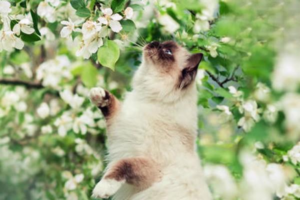
Watch a sleeping cat twitch its tail, flick its whiskers, or give a soft chatter, and you are seeing dreams in action. All mammals share REM sleep, the stage where dreams happen, and cats are no exception. They likely dream of the day's events, perhaps hunting, and yes, they can have nightmares too. Best not to wake a dreaming cat, as a sudden startle can lead to an accidental scratch.
Are Cats Color Blind?
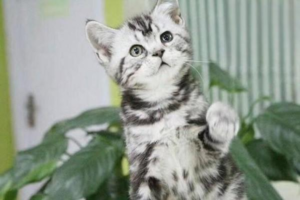
Cats are indeed poor at seeing color and are much like human color-blind people, perceiving only a limited palette. At night, though, their world is far richer than ours; they see clearly in dim light almost as well as by day. They cannot focus on anything within 30 cm, a gap their whiskers help fill, yet they track fast-moving prey with ease. A cat's vision is a mix of clear strengths and weaknesses tuned for a hunter.

Why Cats Drink With Their Paws
Many owners are puzzled when a cat scoops water with a paw instead of lapping from the bowl, and wonder how to stop it. The habit usually points to something practical: a bowl so narrow it touches the whiskers, water sitting too low, a preference for moving water rooted in wild ancestry, fading eyesight in older cats, or a lack of security that makes the cat watch its surroundings while drinking. Once the real cause is fixed — a wider bowl, fresher water, a fountain — most cats drop the pawing. Gentle, consistent redirection does the rest.
How to Pet Your Cat So It Loves You
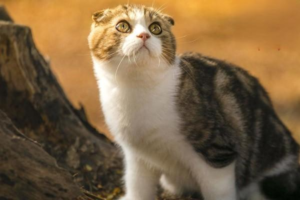
No area is off-limits once a cat is well socialized from kittenhood—daily full-body handling builds trust and a love of touch. For an unsocialized cat, go slowly and read willingness: offer a downward palm at the forehead; if it nudges in, begin. Start at the head and neck (small circles, ear rubs), move to cheeks/chin, along the spine (the base-of-tail spot is a favorite), then armpits, paws, belly, and even testes in intact males. Use a gentle 'breeze' touch like a spa, not a firm knead; stop if it objects. A cat-specific scent oil can deepen relaxation.
Choosing the Right Food and Water Bowls for Your Cat
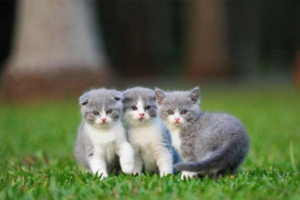
Bowls come in ceramic, plastic, and stainless steel; a wooden stand with ceramic is the classic best choice. Ceramic resists heat and bacteria and is heavy enough not to slide; pick a wide rim (wider than the cat's whiskers) and a stand to raise it. Plastic is fine for travel but breeds bacteria and can leach into food, so avoid long-term use. Stainless is easy to clean but trace chromium/nickel can dissolve from salty food and may trigger allergies. Skip automatic feeders and fountains except for long trips—cats prefer fresh daily water and the bonding of hand-feeding.